
 Available in US
Content

During RWC 2023, I placed a winning margin bet on South Africa to beat Romania by 37 or more points. The final score was 76-0. The margin — 76 points — sailed past my band so comfortably that it felt like the easiest bet of the tournament. Then I tried the same approach in the quarter-finals, backing a 1-12 margin band in a tight knockout match, and the result fell into the 13-24 bracket by a single converted try. Rugby world cup winning margin betting rewards you generously when you read the match type correctly and punishes you when the margin lands one scoring event outside your band.
The concept is straightforward: instead of picking who wins, you predict the gap between the winning and losing scores, selecting from predefined bands — typically 1-12, 13-24, 25-36, and 37 or more. The odds are longer than match result because you need to be right about both the winner and the approximate margin, but the prices make it one of the highest-return markets available for a single-match wager.
Margin Bands and What the Numbers Tell You
RWC 2023 produced 325 tries in 48 matches and over 2.4 million stadium spectators. Behind that headline sits a distribution of match margins that splits cleanly along tournament phases.
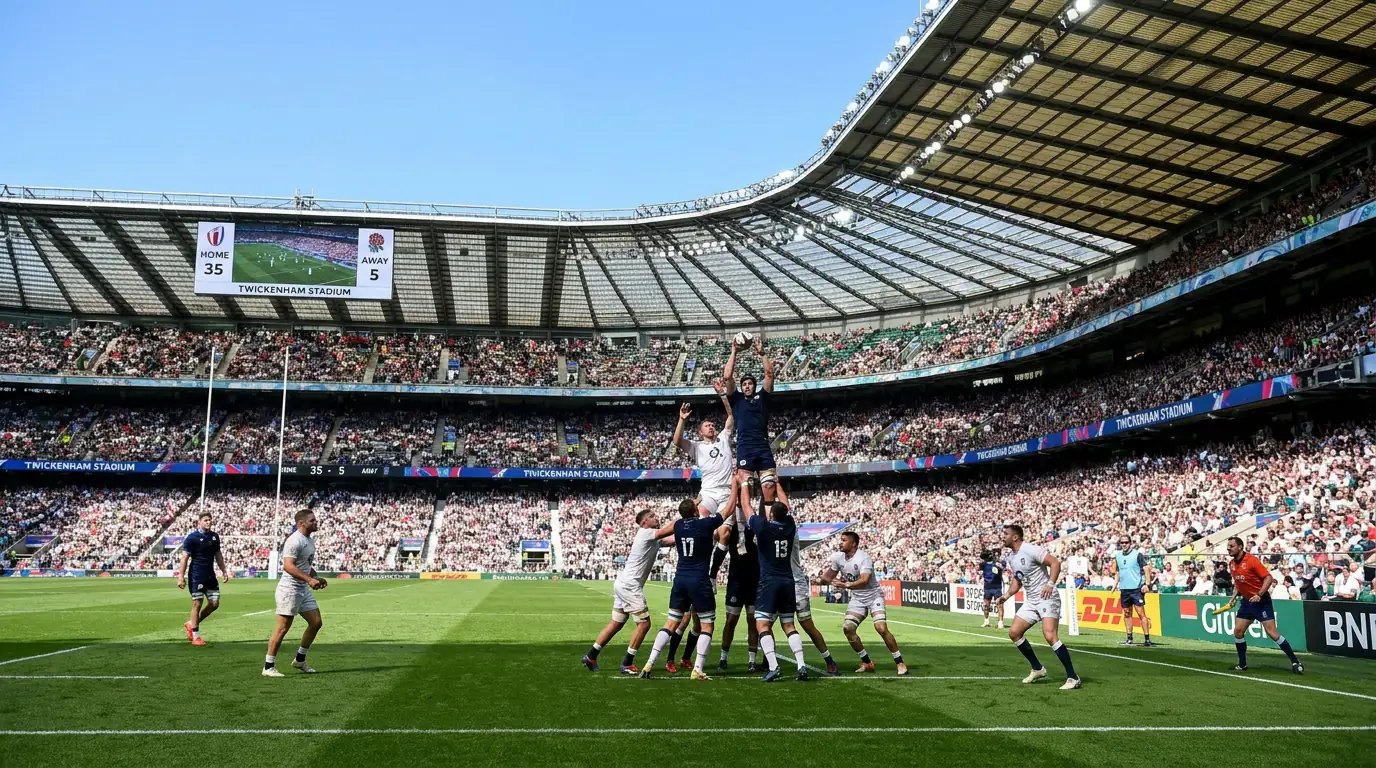
Pool-stage matches between Tier 1 and Tier 2 or 3 sides clustered overwhelmingly in the 25-36 and 37+ bands. When South Africa, New Zealand, or France played a lower-ranked opponent, the median margin was comfortably above 30 points. Conversely, pool matches between two Tier 1 sides — the “group of death” fixtures — produced margins in the 1-12 or 13-24 range. The gap between these two match types is not subtle; it is the defining feature of margin betting at a World Cup.
Knockout matches tell a different story entirely. From the quarter-finals onward, margins compress. The average knockout margin across the last three World Cups sits in the single digits, driven by defensive intensity, conservative game plans, and the sheer stakes of elimination rugby. The 2023 final was decided by a single point. The 2019 final, admittedly an outlier at 32-12, was the widest final margin in recent memory. The more typical pattern is a gap of three to eight points, which makes the 1-12 band the default selection in knockout fixtures.

The new Round of 16 at RWC 2027 complicates this clean split. These will be elimination matches, but some will feature significant mismatches between pool winners and third-place qualifiers. I expect the margin distribution in the Round of 16 to sit somewhere between pool and quarter-final profiles — a transitional phase that bookmakers have no historical RWC data to calibrate against, which is precisely where analytical bettors can find mispriced bands.
A Framework for Predicting the Right Band
Match outcome and margin betting accounts for roughly 60% of all wagers placed on rugby globally. That concentration of money means the market is efficient for mainstream outcomes but less precise at the extreme ends of the margin distribution — which is where the edges sit.

I use four variables when predicting a winning margin band. First, the World Rugby ranking gap: a difference of 10+ positions strongly correlates with a margin above 20. Second, head-to-head history: some matchups produce consistently wide margins while others remain tight regardless of ranking. Third, squad depth: a team resting key players in a dead-rubber pool match will underperform their ranking-adjusted expectation. Fourth, conditions: wet weather compresses scoring and pushes margins toward the lower bands, while dry tracks on fast Australian pitches widen them.
The ranking gap is the anchor variable. I start there and adjust based on the other three. If the ranking gap suggests a 30-point margin but the match is played in heavy rain, I drop my estimate by 10-15 points and shift from the 25-36 band to the 13-24 band. If the head-to-head record shows that one team consistently dominates the other beyond what rankings predict, I move up a band. The adjustments are judgement calls rather than formulaic calculations, but they are grounded in data rather than gut feeling.

For anyone looking at how these margin predictions connect to the exact scoreline, correct score betting takes the same analysis one step further by requiring precision on both individual team totals.
Pool Stage vs Knockout — Two Different Markets
Treating the pool stage and the knockout stage as separate betting environments is non-negotiable for winning margin. The statistical profiles are different enough that applying a single strategy across both phases will cost you money.
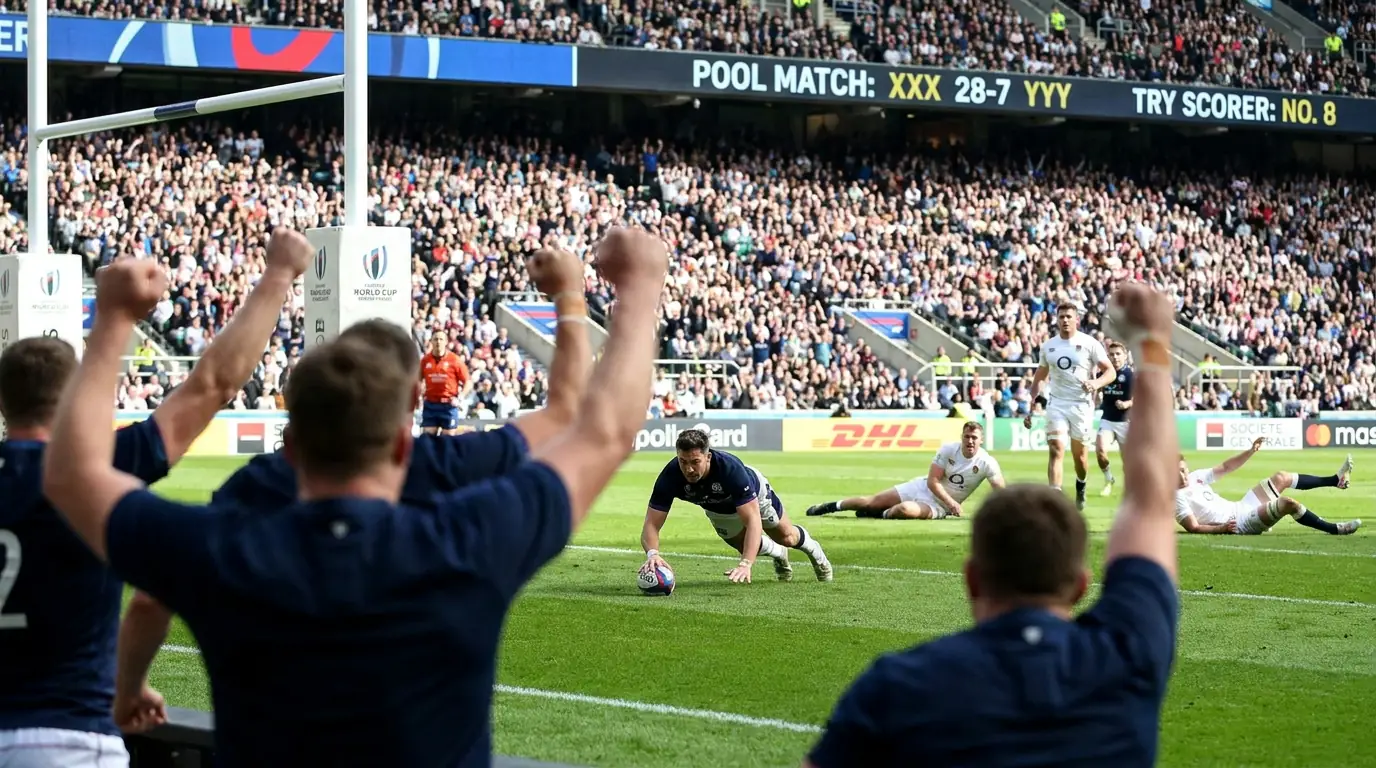
In the pool stage at RWC 2027, six pools of four teams means each group contains at least one significant mismatch. Those fixtures are the high-conviction opportunities: identify the pools where a Tier 1 giant faces a newly qualified or lower-ranked side, and the 37+ band becomes the starting point. The question in mismatches is not whether the margin will be wide but how wide, and for that I look at the specific defensive record of the underdog. A team that concedes 40+ points per match in qualifying is unlikely to keep the gap below 30 against a side capable of scoring 50.
In the knockout stage, the approach inverts. Tight margins dominate, and the 1-12 band is the modal outcome. The new Round of 16 at RWC 2027 introduces an interesting wrinkle: these will be the first knockout matches, featuring some second and third-place pool finishers who may face significantly stronger opposition. Early Round of 16 fixtures could produce wider margins than quarter-finals if the seeding gap is large enough, making them a potential sweet spot for the 13-24 band at better prices than the market typically offers for knockout games.

What is the most common winning margin in Rugby World Cup knockout matches?
The most common margin band in knockout matches across the last three World Cups is 1-12 points. Semi-finals and finals are particularly tight, with an average margin in single digits. The 2023 final was decided by one point and the 2019 semi-finals produced margins of three and six points. The 1-12 band is the default starting point for any knockout fixture at RWC 2027.
Does winning margin betting include extra time in RWC knockout games?
This depends on the operator’s rules. Most UK-licensed bookmakers settle winning margin bets on the result at the end of regulation time (80 minutes) only, excluding extra time and any subsequent penalty shootout. If a knockout match is level after 80 minutes, the margin is effectively zero, and the result falls outside all standard margin bands unless the operator offers a specific ‘draw at 80 minutes’ option. Always check the settlement rules before placing a knockout winning margin bet.
