
 Available in US
Content

The biggest payout I ever collected from a rugby accumulator came during RWC 2019. Four pool-stage favourites, all covering the match result, nothing exotic — just a clean four-fold that returned 6.5 times my stake because I picked the right weekend. Rugby World Cup accumulator tips fill the internet before every tournament, but most of them ignore the one factor that sinks more accas than any upset: correlation risk between legs.
RWC 2027 in Australia offers an ideal environment for accumulator betting. The tournament spans from 1 October to 13 November 2027, features 52 matches across 24 teams in eight stadiums, and the pool stage delivers a reliable supply of heavy favourites. With six pools of four rather than the old four pools of five, each group contains at least one significant mismatch — the kind of fixture that forms the backbone of a well-constructed acca. The question is not whether to build accas during a World Cup. The question is how to structure them so the maths works in your favour rather than compounding your exposure into oblivion.
How Accumulator Odds Actually Compound
Before my first serious World Cup acca, I thought I understood multiplication. Then I watched three legs land and the fourth fall apart, and I realised that understanding how odds compound emotionally is different from understanding them mathematically.
An accumulator multiplies the decimal odds of each selection together. A double at 1.50 and 1.60 returns 2.40 times your stake. A treble adds another selection — say 1.40 — and pushes the combined return to 3.36. A four-fold at similar prices might land around 4.70. The appeal is obvious: a modest stake generates a meaningful return without needing any single selection to pay long odds.
The trap is equally obvious. Each additional leg multiplies not just the potential return but also the probability of failure. If each selection has a 70% chance of landing individually, a double has a 49% chance, a treble 34%, and a four-fold just 24%. By the time you reach a six-fold with individually strong selections, you are looking at a strike rate below 12%. That is not a bet; it is a lottery ticket with extra steps.
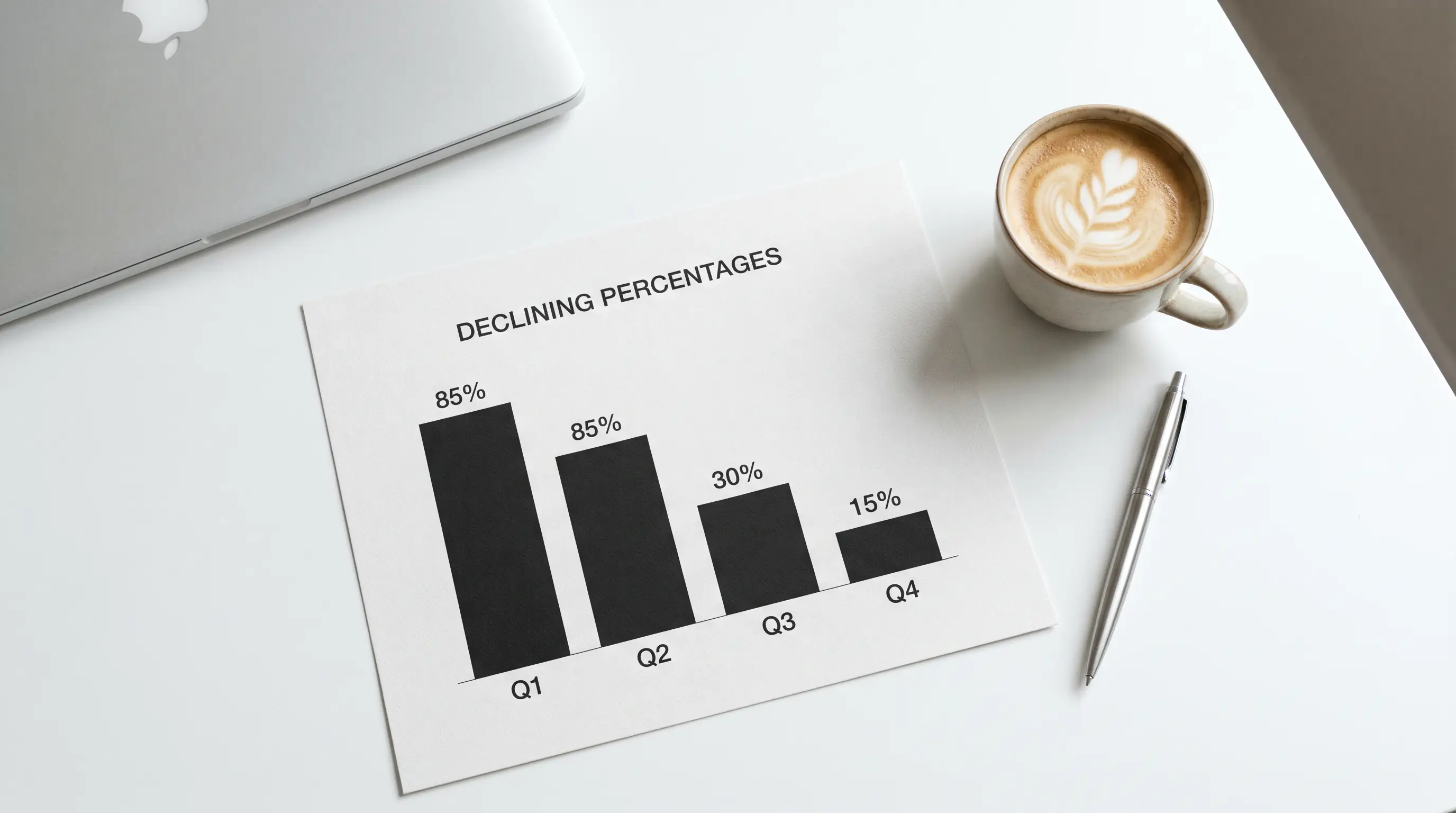
This is why I cap most World Cup accumulators at three or four legs. Beyond that, the combined probability drops too fast relative to the odds boost you receive. The sweet spot sits between a treble and a four-fold, where the return meaningfully exceeds what singles or doubles would deliver, but the strike rate remains within a range that keeps your bankroll intact over a six-week tournament.

Picking Selections That Survive the Pool Stage
Every punter has a system. Mine starts with a question that most accumulator guides skip entirely: are these legs independent?
In a tournament where 290 million bets are placed online each month in the UK alone, the market is deep enough to price individual matches efficiently. But accumulators introduce correlation. If you back New Zealand to beat their pool opponent on Saturday and South Africa to beat theirs on Sunday, those two results are genuinely independent — different teams, different matches, no shared variables. If you back New Zealand to win and then the same match to go over 45.5 total points, those legs are correlated, because a dominant All Blacks performance drives both outcomes simultaneously.
Correlated legs inflate your perceived edge without adding real diversification. The bookmaker knows this and prices same-match multis accordingly. Cross-match accas across different pool fixtures, ideally on different days, give you genuinely independent legs.

My selection framework for RWC pool-stage accas is straightforward. I target matches where the favourite is ranked at least ten World Rugby positions above their opponent. I look for dry-track conditions, because wet weather compresses scoring and creates upsets. And I avoid any team playing their third pool match if they have already secured qualification — dead rubbers produce rotated squads and flat performances. The 2015 World Cup taught that lesson brutally when Japan, riding high after their shock win over South Africa, lost to Scotland in their final pool game when pool-stage dynamics shifted under their feet.

Managing the Downside Before It Arrives
Accumulator insurance is not a gimmick — it is a structural feature of how operators manage liability on multi-leg bets, and understanding it gives you an edge in how you construct your tickets.
Most major UK-licensed bookmakers offer some form of acca insurance during major tournaments: if one leg of your four-fold or five-fold lets you down, you receive your stake back as a free bet. The terms vary — some require minimum odds per leg, others restrict which markets qualify — but the principle is consistent. When insurance is available, it shifts the optimal acca size upward by one leg. A four-fold with insurance effectively behaves like a three-fold in terms of risk exposure, because the single-leg failure scenario is covered.

Cashout is the other lever. I rarely use full cashout on a World Cup acca, because the offered price always discounts your position relative to the theoretical value. Partial cashout, though, can lock in profit while keeping some exposure alive. If three legs of a four-fold have landed and the final match is tightly poised, cashing out 60% of the position and letting 40% ride gives you a guaranteed return plus a free shot at the full payout.

One more principle I follow: never build an accumulator that requires a World Cup upset to land. Upsets are wonderful when they happen, but they are, by definition, improbable. An acca should be built on a foundation of likely outcomes enhanced by the odds multiplication effect, not on hope dressed up as analysis. If you want exposure to an underdog, take it as a separate single — do not contaminate a carefully constructed multi-leg position with a speculative pick that drags the entire ticket down.
The six-week duration of RWC 2027 also changes how you should think about acca frequency. Some punters fire off an accumulator for every match day. I prefer a more selective approach: one or two carefully constructed accas per week during the pool stage, targeting weekends where the fixture list clusters three or four heavy favourites on the same day. Quality of setup matters more than quantity of tickets, and restraint during lean match days preserves capital for the weekends when the edges are widest.
How many selections should I include in a Rugby World Cup accumulator?
Three to four selections hit the optimal balance between return and strike rate. Each additional leg multiplies both the payout and the probability of failure. A four-fold with individually strong selections at around 1.40-1.60 odds each delivers a combined return in the 3.5-6.5 range while maintaining a realistic chance of landing. Beyond five or six legs, the probability drops below 10-12%, which makes the bet closer to a lottery than a strategy.
Does accumulator insurance cover all RWC match markets?
Coverage varies by operator. Most acca insurance promotions apply to match result markets (win-draw-win) and sometimes handicap lines, but they typically exclude try scorer props, correct score, and other specials. Minimum odds per leg usually apply as well — commonly 1/5 (1.20) or higher. Always check the specific terms during the RWC 2027 period, because operators frequently expand or restrict qualifying markets depending on promotional strategy.
