
 Available in US
Content

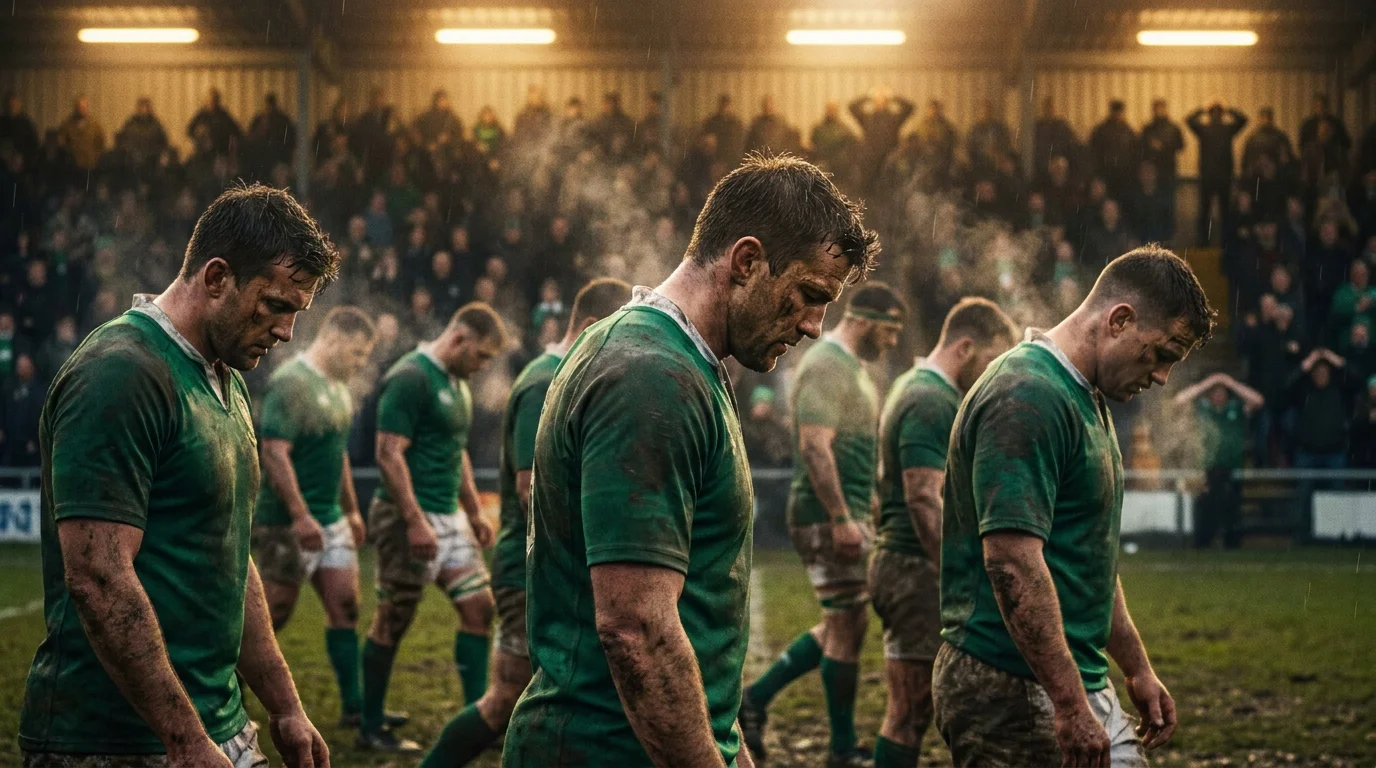
There is a specific kind of frustration that comes with betting on Ireland at a Rugby World Cup. You watch them dominate the Six Nations, climb to number one in the World Rankings, and build a squad that looks capable of beating anyone on the planet. Then the tournament arrives, the quarter-final comes around, and the pattern repeats. Ireland have never reached a World Cup semi-final in their history. Not once in ten attempts. That record is the defining context for ireland rugby world cup betting at RWC 2027 — a team with all the tools but none of the tournament pedigree.
Ireland’s regular-season record over the past decade is extraordinary. Multiple Six Nations titles, Grand Slams, historic victories over New Zealand, South Africa, and every other Tier 1 nation. They have held the number-one World Rankings position for extended periods. Their coaching structure is meticulous, their game management is elite, and their set-piece is among the best in the sport. And yet the World Cup quarter-final has been a brick wall that no Irish team has managed to break through.
Where the Odds Sit and Why
RWC 2027 features 52 matches across 24 teams from 1 October to 13 November 2027 in Australia. Ireland will enter the tournament as one of the top six or seven contenders, with early outright odds typically in the 8/1 to 12/1 range. That pricing reflects a market that respects Ireland’s quality but applies a significant “tournament discount” for their historical failure to perform at the World Cup.
The discount is justified by the data. Ireland’s World Cup record includes quarter-final exits in 2003, 2011, 2015, 2019, and 2023. In 2023, they entered as the number-one ranked team, the Six Nations Grand Slam champions, and one of the outright favourites, then lost to New Zealand in the quarter-final in a match where they were priced as 60-65% favourites. That result reinforced the narrative that Ireland cannot deliver on the biggest stage — and in betting, narrative drives public money, which drives odds.
For analytical bettors, the question is whether the discount is too large. A 10/1 price implies a roughly 9% chance of winning the tournament. Ireland’s squad quality, if assessed purely on playing ability without the historical baggage, arguably justifies a 12-15% probability. The gap between 9% and 12-15% is where potential value sits — but only if you believe the 2027 squad can overcome the psychological and structural barriers that have derailed every previous Irish World Cup campaign. The tournament generated 1.33 billion viewing hours in 2023, and Ireland’s matches were among the most scrutinised precisely because of the gap between expectation and outcome.
What the Squad Gets Right and Where It Struggles
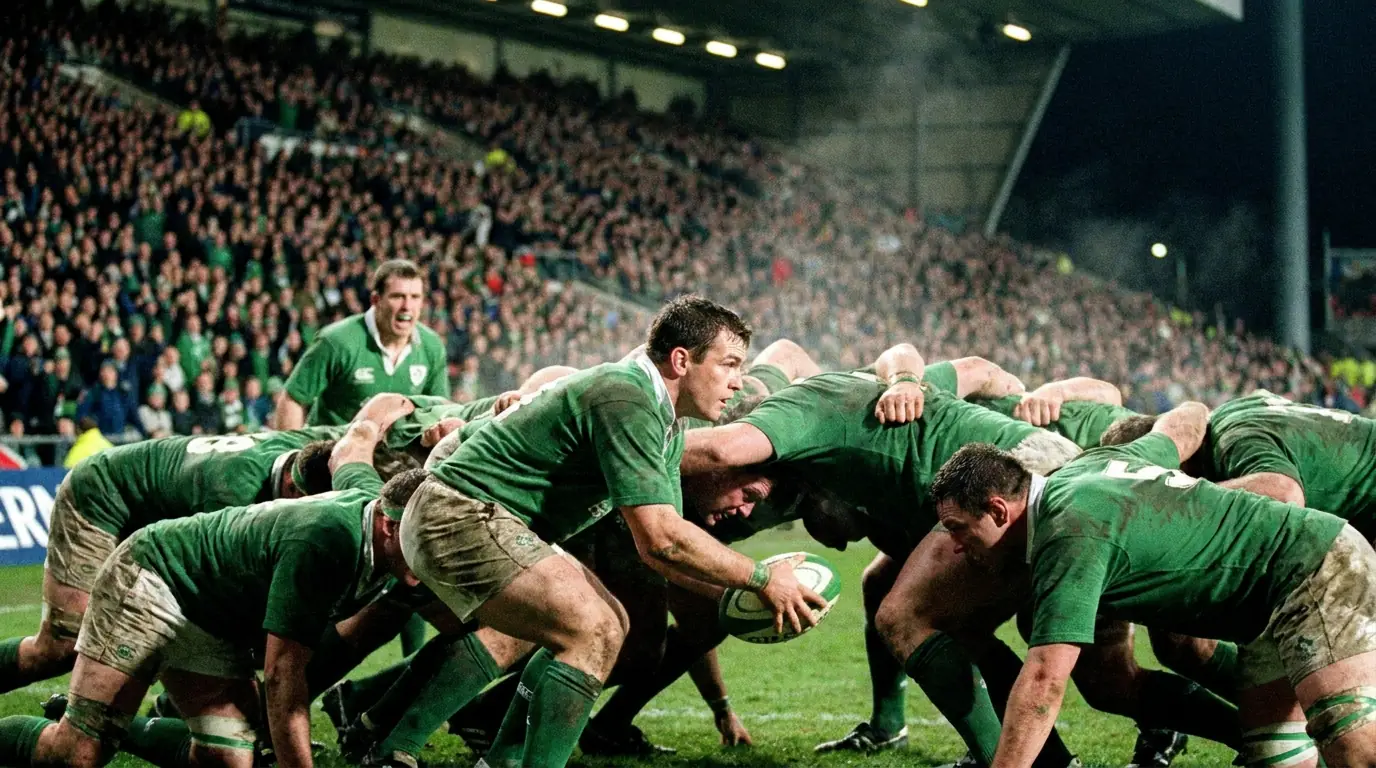
Ireland’s strengths are structural. Their game is built on precision: accurate set-piece delivery, disciplined phase play, intelligent kicking, and a defensive system that forces errors from the opposition. In the Six Nations, where they play the same opponents every year and the coaching staff can prepare meticulously for each fixture, this structured approach is devastatingly effective.

The concern for 2027 is age. Several of Ireland’s key players — the half-back partnership, senior forwards, and experienced centres who have been the core of the team’s dominance — will be 33-35 by October 2027. That age profile creates two risks: physical decline across a seven-match tournament that demands sustained intensity, and the need to integrate younger replacements who may not yet be ready for the World Cup pressure cooker.
Squad depth is less of a concern than it was a decade ago. Ireland’s provincial system — Leinster, Munster, and Ulster all competing at the highest level of European club rugby — produces a steady flow of talent across all positions. The question is not whether Ireland have enough players but whether the next generation can replicate the cohesion and composure that the current senior group brings to high-stakes matches.
The Southern Hemisphere adaptation factor is also relevant. Ireland’s record on tour in Australia, New Zealand, and South Africa is improving but not yet dominant. The dry, fast conditions in Australia suit a different style from the wetter, heavier pitches of European winter rugby. If Ireland can adapt their structured game to faster surfaces without losing precision, they will be genuine contenders. If the pace of Australian rugby exposes gaps in their back-three coverage or their midfield defence, the quarter-final ceiling may hold.

Betting Angles for the Pragmatist
Given Ireland’s profile — top-tier quality, questionable tournament pedigree — the pragmatic approach is to separate pool-stage confidence from knockout-stage caution.
In the pool stage, Ireland are one of the safest bets in the tournament. They have not lost a pool-stage match at a World Cup since 2015, and their discipline and structure make them reliable handicap covers against lower-ranked opponents. Pool-stage match results and handicap bets on Ireland are straightforward — the risk is minimal and the returns, while modest, are consistent.
The knockout stage is where the calculus changes. Rather than backing Ireland outright, consider each-way positions that pay if they reach the semi-finals. The implied probability of Ireland reaching the last four is significantly higher than the probability of them winning the tournament, and the each-way terms capture that gap. Alternatively, oppose Ireland in their quarter-final if they face a team with genuine World Cup pedigree (New Zealand, South Africa) — the market tends to overvalue Ireland’s ranking and underweight the historical pattern.

One specific angle I am watching for RWC 2027: Ireland’s draw. If they land in a pool that gives them a favourable knockout pathway — avoiding the top two seeds until the semi-final — the quarter-final curse may matter less because the opponent will be more beatable. If they draw a bracket that puts them against South Africa or New Zealand in the quarter-final, the historical pattern becomes the dominant variable. The pool draw, more than any other single event, will determine whether Ireland’s odds represent value or a trap. For a comparison of how the other perennial contenders are positioned, the New Zealand odds analysis provides the counterpoint.

[id=”1″ title=”What is Ireland’s best Rugby World Cup finish?” desc=”Ireland’s best World Cup finish is the quarter-finals, which they have reached on seven occasions. They have never progressed to a semi-final in ten World Cup appearances. Their most painful exits include 2023 (lost to New Zealand as the world’s number-one ranked team), 2019 (lost to New Zealand again), and 2015 (lost to Argentina). The quarter-final barrier is the defining feature of Ireland’s World Cup history.”]
[id=”2″ title=”Why are Ireland considered underperformers at the Rugby World Cup despite their Six Nations success?” desc=”Ireland’s Six Nations record and World Cup record diverge because tournament rugby rewards different qualities than annual championship rugby. The Six Nations is played at home and away against familiar opponents with detailed preparation for each match. A World Cup demands sustained performance across seven matches in six weeks, against unfamiliar opponents, in unfamiliar conditions, with the pressure of knockout elimination. Ireland’s structured, precision-based game has been less adaptable under tournament pressure than the more instinctive, experienced approaches of teams like New Zealand and South Africa, who have won multiple titles.”]
[/faq]
