
 Available in US
Content

When World Rugby confirmed the expansion to 24 teams for RWC 2027, I immediately started counting the new betting markets it would create. Not the obvious ones — everyone can see that more matches means more match-result bets. The interesting part is what the structural change does to the less visible markets: the pool specials, the Round of 16 props, the mismatch handicaps, and the best-third-place-team wagers that have never existed at a Rugby World Cup before.
RWC 2027 will be held from 1 October to 13 November 2027 in Australia, featuring 24 teams across 52 matches in eight stadiums. That is four more teams and four more matches than any previous edition. The rugby world cup 24 teams betting impact extends beyond volume — it changes the strategic landscape for every bettor who takes the tournament seriously.
How the New Structure Changes the Game
The old format used four pools of five teams, producing 40 pool matches and feeding eight quarter-finalists into the knockout stage. The new format uses six pools of four, producing 36 pool matches but adding a Round of 16 before the quarter-finals. The net result is 52 total matches — the most in World Cup history.

Alan Gilpin, World Rugby’s Chief Executive, explained the reasoning directly: the new format allows a more compact tournament with six pools of four teams moving into a Round of 16, delivering more knockout content — which is what fans demand. For bettors, “more knockout content” translates into more high-stakes, single-elimination fixtures where the market is thinner, the margins are tighter, and the potential for value is greater.
The shift from four pools to six changes the pool dynamics fundamentally. Each team plays three pool matches instead of four, which means there are no “dead rubbers” — every match matters for qualification. Over 750,000 tickets sold in the initial phase and a total allocation of 2.5 million reflects the public appetite, but for bettors the critical detail is that fewer pool matches per team compresses the data available for in-tournament reassessment. You have three matches to evaluate a team before the knockout stage, compared to four at previous tournaments.
New Markets That Did Not Exist Before
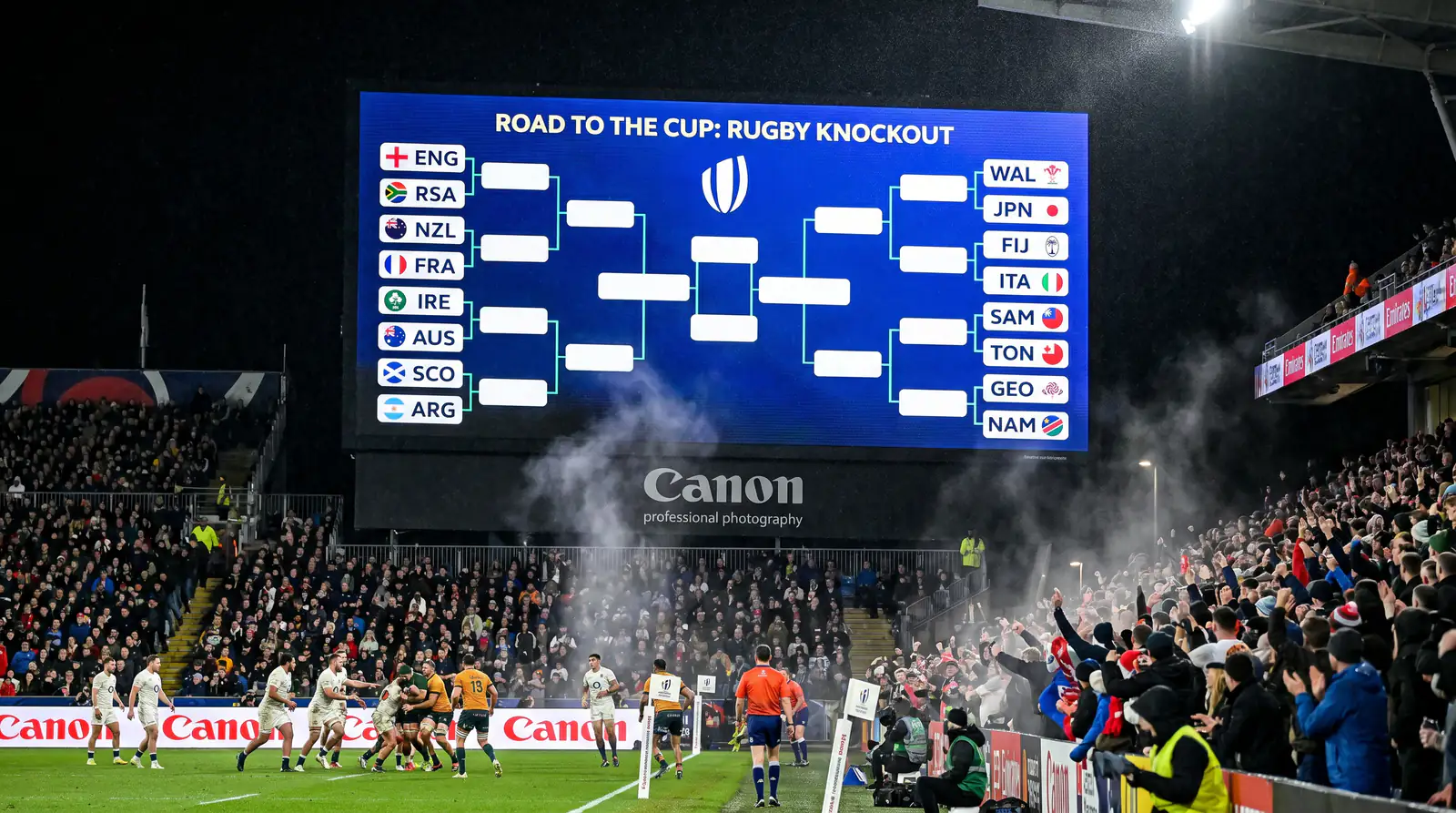
The Round of 16 is entirely new to the Rugby World Cup, and it creates betting markets that have no historical precedent in the sport’s biggest event.

Round of 16 qualifiers — betting on which 16 teams will advance from the pool stage — becomes a genuine market for the first time. Under the old format with 20 teams and four pools of five, eight teams advanced (top two per pool), and predicting qualifiers was relatively straightforward. Under the new format, 16 teams advance from six pools — the top two from each pool plus the four best third-place teams. That “best third place” mechanic, borrowed from the football World Cup, introduces a layer of complexity that creates pricing inefficiency.
Pool winner specials multiply from four to six, which means more individual markets to analyse and more accumulator combinations across pool winners. The “pool of death” concept becomes more granular: with six pools, the probability that at least one pool contains three genuine contenders is higher, and the betting implications for third-place qualification from that pool are significant.

The Round of 16 itself offers match-level markets that sit between pool play and quarter-finals in terms of competitiveness. Some Round of 16 fixtures will feature lopsided matchups (a pool winner against a best third-place team), while others will be tightly contested. Bookmakers have no historical RWC data to anchor their lines for this round, which creates opportunities for bettors who model the likely matchups based on pool outcomes and apply pool stage analysis to project who faces whom.
Mismatch Opportunities in an Expanded Field
Four additional teams means four nations that would not have qualified under the previous 20-team format. These debutants or recently qualified sides face Tier 1 opposition in the pool stage, and the resulting mismatches are the clearest handicap and over/under opportunities of the tournament.

At previous World Cups, pool-stage mismatches between established powers and lower-ranked sides regularly produced margins of 40-70 points. With more lower-ranked teams in the draw, the frequency of these fixtures increases. Handicap lines in the mid-30s and over/under totals above 55 will be standard for these matches, and the historical cover rates suggest that Tier 1 sides clear those spreads more often than the market implies.
The accumulator opportunity is also amplified. More mismatches on the same match day means more potential legs for pool-stage accumulators built on heavy favourites. The risk — as always with accumulators — is the compounding probability of failure, but the expansion gives bettors more selection options and the ability to be more selective about which mismatches to include based on conditions, team news, and motivation.

There is a subtler impact too. The expanded format changes the dynamics for established Tier 2 sides like Fiji, Samoa, and Tonga. Under the old 20-team structure, these teams occupied the bottom of their pools and were the underdogs in every fixture. Under the 24-team format, they may find themselves as the second or third seed in their pool, with a newly qualified side below them. That shift changes their handicap profile: instead of always receiving points, they might be giving points for the first time at a World Cup. Bookmakers will need to adjust, and the transition creates early-tournament pricing errors that disappear after the first round of matches.
Which new teams qualify for the Rugby World Cup 2027 under the expanded format?
The qualification process for RWC 2027 is still being finalised, but the expansion from 20 to 24 teams opens places for nations that would not have qualified previously. Likely beneficiaries include teams from Africa, Asia-Pacific, and the Americas who fall just outside the traditional top-20 ranking. The specific qualifiers will be confirmed through regional qualifying pathways, with the final spots determined by repechage tournaments in the year before the World Cup.
Which entirely new betting markets does the Round of 16 create at RWC 2027?
The Round of 16 introduces several market categories that have never existed at a Rugby World Cup: individual Round of 16 match results and handicaps, best third-place team qualifiers (a pool-stage special driven by the new format), Round of 16 correct scores, and accumulator opportunities across eight simultaneous knockout fixtures. Because there is no historical RWC data for this round, bookmakers will set lines based on modelling rather than precedent, which creates pricing inefficiencies that analytical bettors can exploit.
