
 Available in US
Content
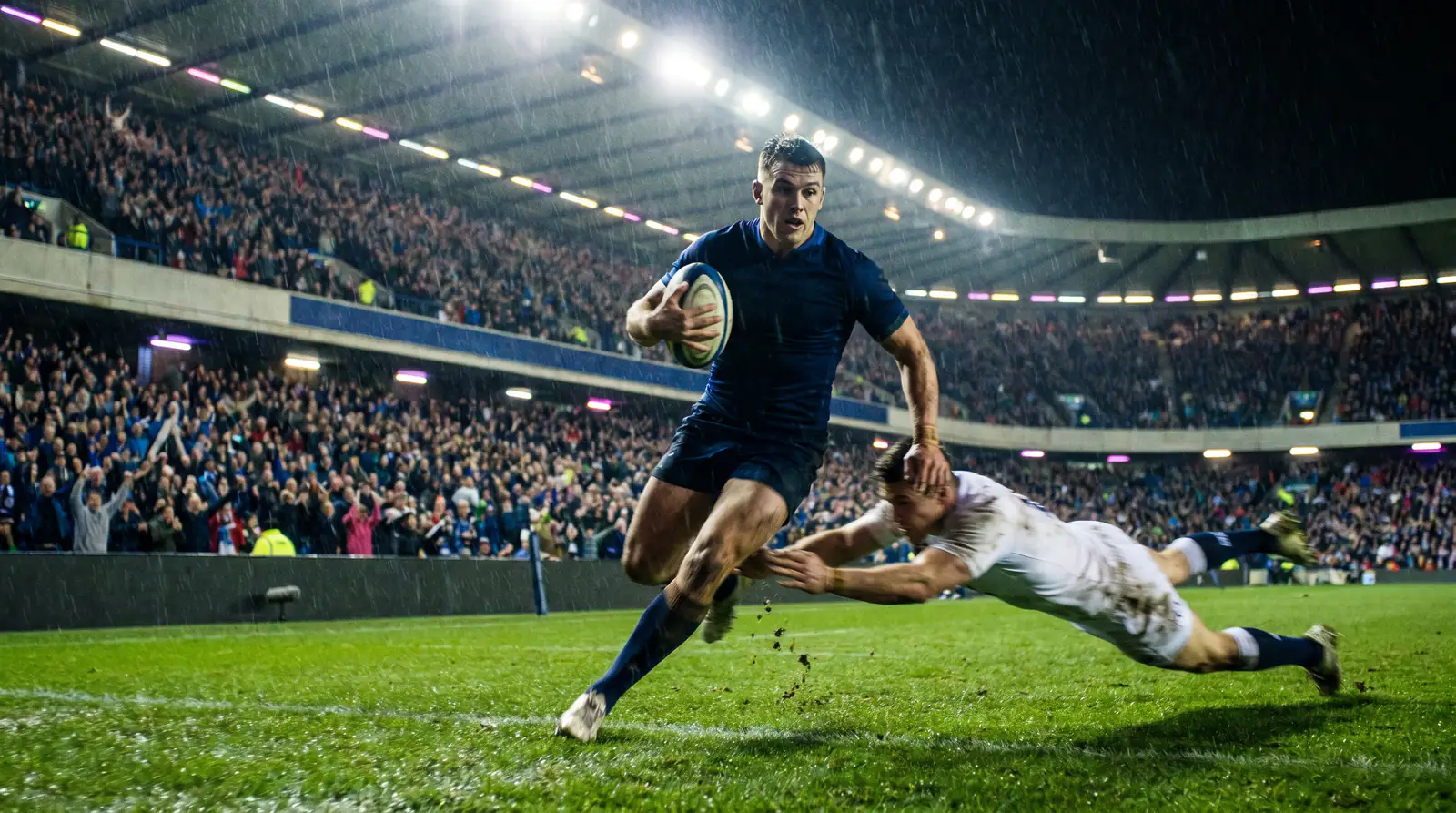
Eighteen minutes into the 2023 RWC quarter-final between Wales and Argentina, Wales were leading and the pre-match favourite narrative was holding. Then Argentina scored two quick tries and the live odds inverted completely within four minutes. I had been watching the in-play market on my second screen, and the speed at which the prices moved told me more about market confidence than any pre-match analysis could. That is the core appeal of rugby world cup in-play betting — it trades on what is actually happening, not what was expected to happen.
The global live betting market reached $22.9 billion in 2024 and is projected to nearly double by 2030, growing at 13% annually. Rugby, with its frequent momentum shifts, sin bins, substitution waves, and weather-driven tactical changes, is particularly well suited to this format. For RWC 2027, where 52 matches will play out across Australian time zones that put early kick-offs in UK prime time, the in-play market will be busier and more liquid than at any previous tournament.
Live Markets That Matter in Rugby
Football in-play is mostly about the next goal. Rugby in-play is a different animal altogether — the variety of scoring methods and game events creates a web of live markets that no other sport quite matches.
The core live markets during a World Cup match include next try scorer, next scoring method (try, penalty, or drop goal), live match result, live handicap, and live over/under total points. Some operators also offer sin bin specials — whether a yellow card will be shown in a given ten-minute window — and next team to score. The breadth matters because each market responds to different in-game triggers.

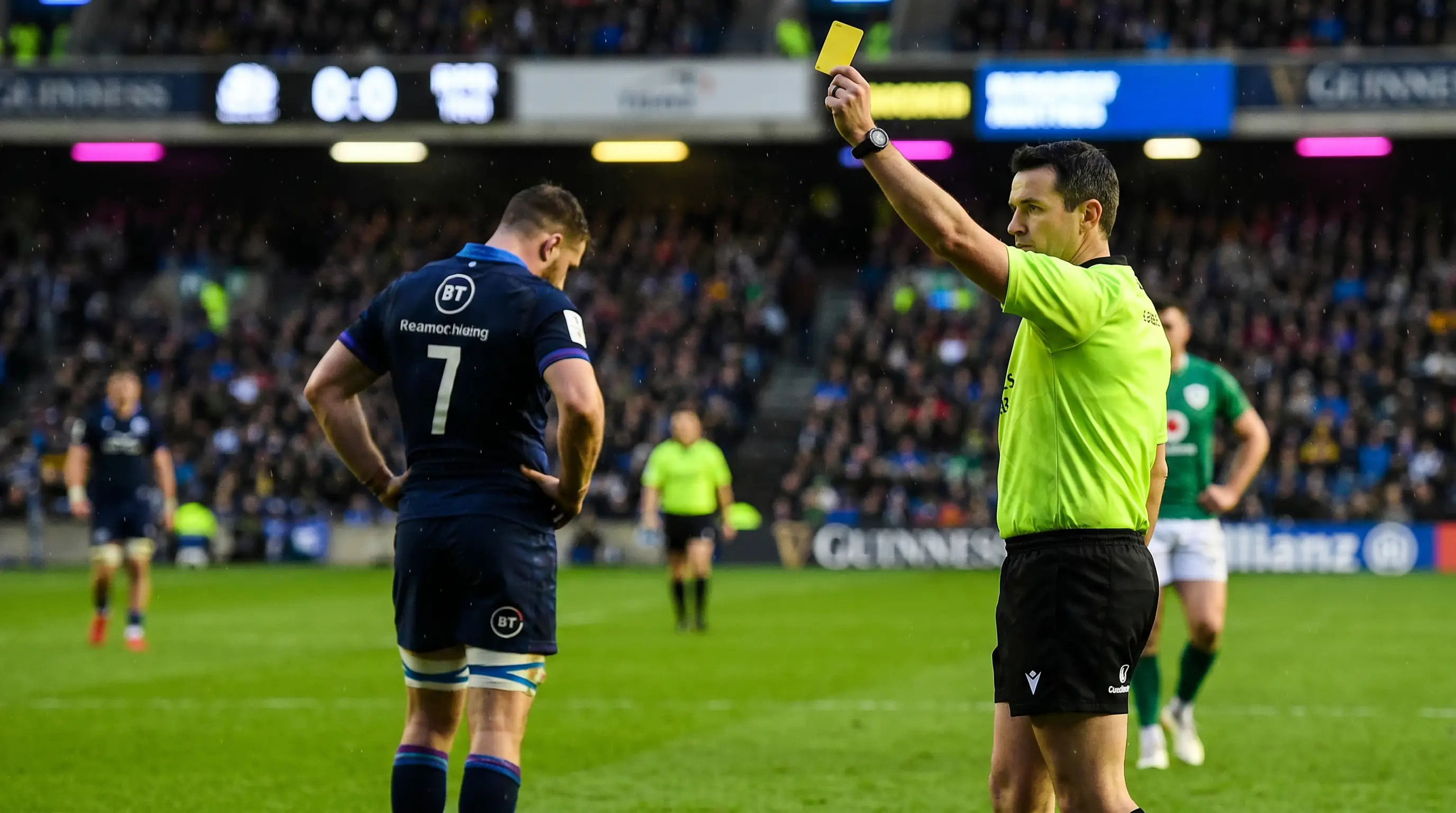
What separates rugby from football for live betting is the sin bin. When a player receives a yellow card, their team plays with 14 men for ten minutes. That numerical disadvantage is enormous in rugby — it changes the try-scoring probability, the likely next scoring method, and the handicap line in real time. I have built an entire in-play approach around sin bin windows: the moment a card is shown, the live odds on the opposition scoring next shorten dramatically, but the market sometimes underprices the extent of the advantage. At RWC 2023, teams with a man advantage during sin bin periods scored in over 60% of those windows. That is a pattern worth watching in every match.
Live handicap resets are another rugby-specific edge. Unlike football where a goal changes the match state in a binary fashion, a try in rugby shifts the scoreboard by five to seven points depending on the conversion. A team trailing by 14 that scores a converted try closes the gap to seven, and the live handicap recalibrates accordingly. If you entered the match expecting a tight contest and the first-half scoreline has run away, the live handicap on the trailing side can offer value that did not exist pre-match.
Reading Momentum and Timing Your Entry
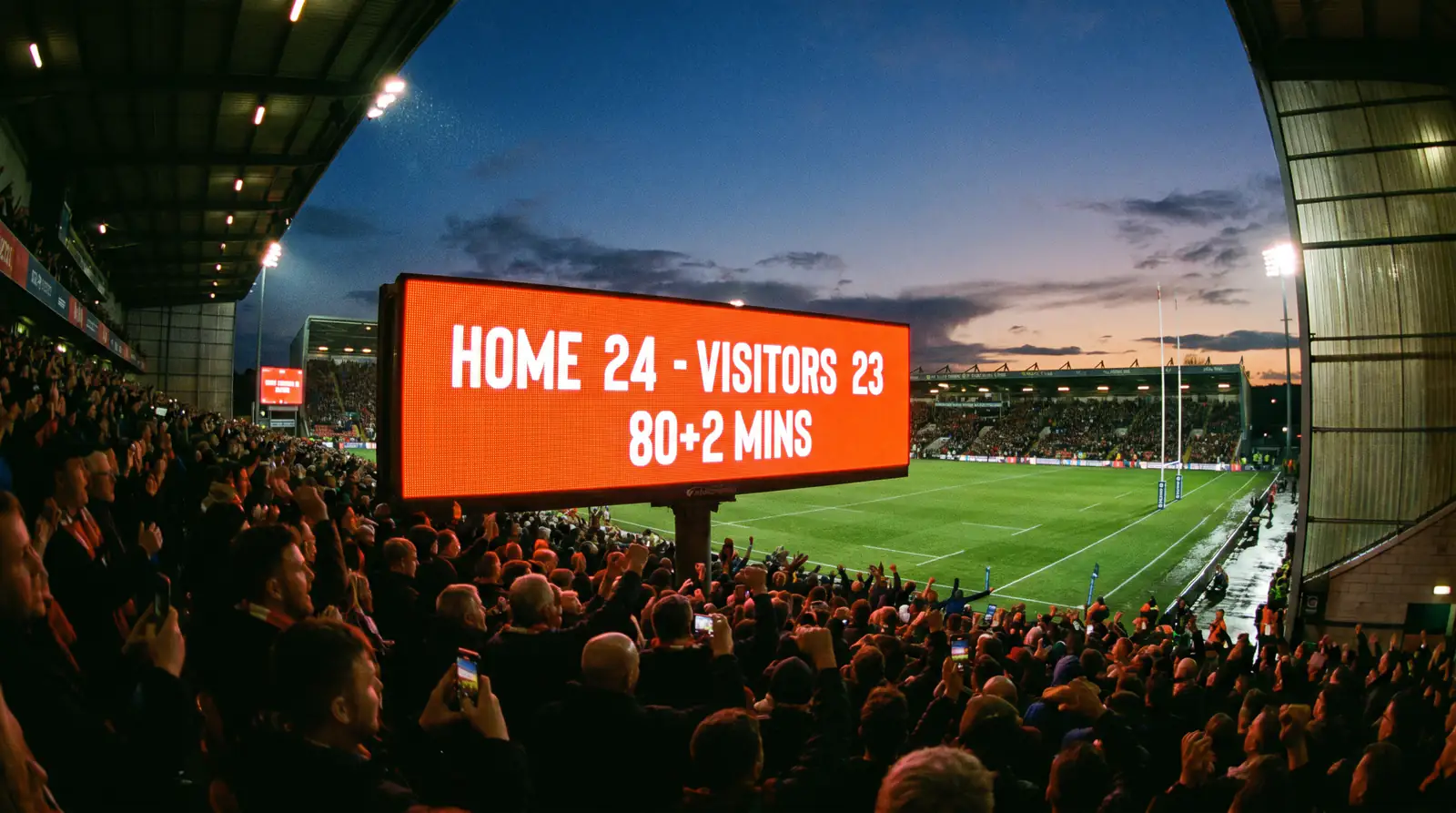
Sportradar’s Managed Trading Services processed turnover exceeding EUR45 billion in the first half of 2025 alone, a 23% year-on-year increase, with 50 new bookmakers joining the platform in 2024. That infrastructure underpins the speed and depth of the live odds you see on screen. When a try is scored at a World Cup, the odds engine recalculates within seconds, and the window between the event and the new price is where sharp in-play bettors operate.
Timing entry points demands discipline. The three highest-value windows I have identified over the past four World Cups are: immediately after a sin bin is shown (before the full market adjustment catches up), during the first five minutes of the second half (when tactical half-time changes create temporary mismatches that the market has not yet priced), and in the final 15 minutes of a pool match where one team has already secured qualification and the other is fighting for survival. That desperation gap — one team playing for everything, the other coasting — is a live market gift.
Weather shifts during a match also create in-play opportunities that pre-match odds cannot anticipate. Australian spring weather in October and November can swing from dry heat to sudden rain, particularly in Brisbane and Sydney. A dry first half that produces running rugby and tries can turn into a wet second half that favours kicking and penalties. The over/under total points line may not adjust fast enough if you spot the weather change before the market does.
Staying Disciplined When the Game Gets Loud
In-play betting at a World Cup is intoxicating. The crowd noise, the drama, the speed of events — all of it conspires to make you bet emotionally rather than analytically. I have been caught by this trap more times than I care to admit, and the antidote is a set of hard rules that I follow regardless of what my gut says.
Rule one: never chase a pre-match position in-play. If your pre-match bet is losing, the live market is not a correction tool. It is a separate market with separate analysis. Throwing money at a live bet to “recover” a dead pre-match slip is how bankrolls evaporate during a tournament.

Rule two: set a maximum number of in-play bets per match. I allow myself two. If neither lands, I stop. The temptation to keep firing is strongest when the action is fast and the next try feels imminent, but that feeling is entertainment dressed up as opportunity.
Rule three: accept the delay. Live bets carry a processing lag — typically two to five seconds — during which the market can move. If a try is being reviewed by the TMO, odds freeze entirely. You will not always get the price you saw, and if you cannot accept that, in-play is not the market for you. Patience and acceptance of slippage are the price of admission for live betting at a World Cup, and the punters who treat them as features rather than flaws are the ones who survive the full six weeks.
How quickly do rugby in-play odds change after a try is scored?
The live odds engine typically recalculates within five to ten seconds of a try being confirmed. During TMO reviews, odds may freeze or suspend entirely. The conversion attempt adds another adjustment immediately after. In practice, the window between the try being scored and the full market repricing is narrow — often under 15 seconds — which is why sharp in-play bettors position themselves based on anticipated events rather than reacting after the fact.
Can I cash out an in-play bet during a Rugby World Cup match?
Most UK-licensed bookmakers offer full and partial cashout on in-play bets during RWC matches, though availability can fluctuate during fast-moving passages of play. When a try is being scored, a TMO review is underway, or the match is in the final minutes, cashout may be temporarily suspended. The offered cashout price will always reflect a margin in the operator’s favour relative to the theoretical value of your position.
