
 Available in US
Content

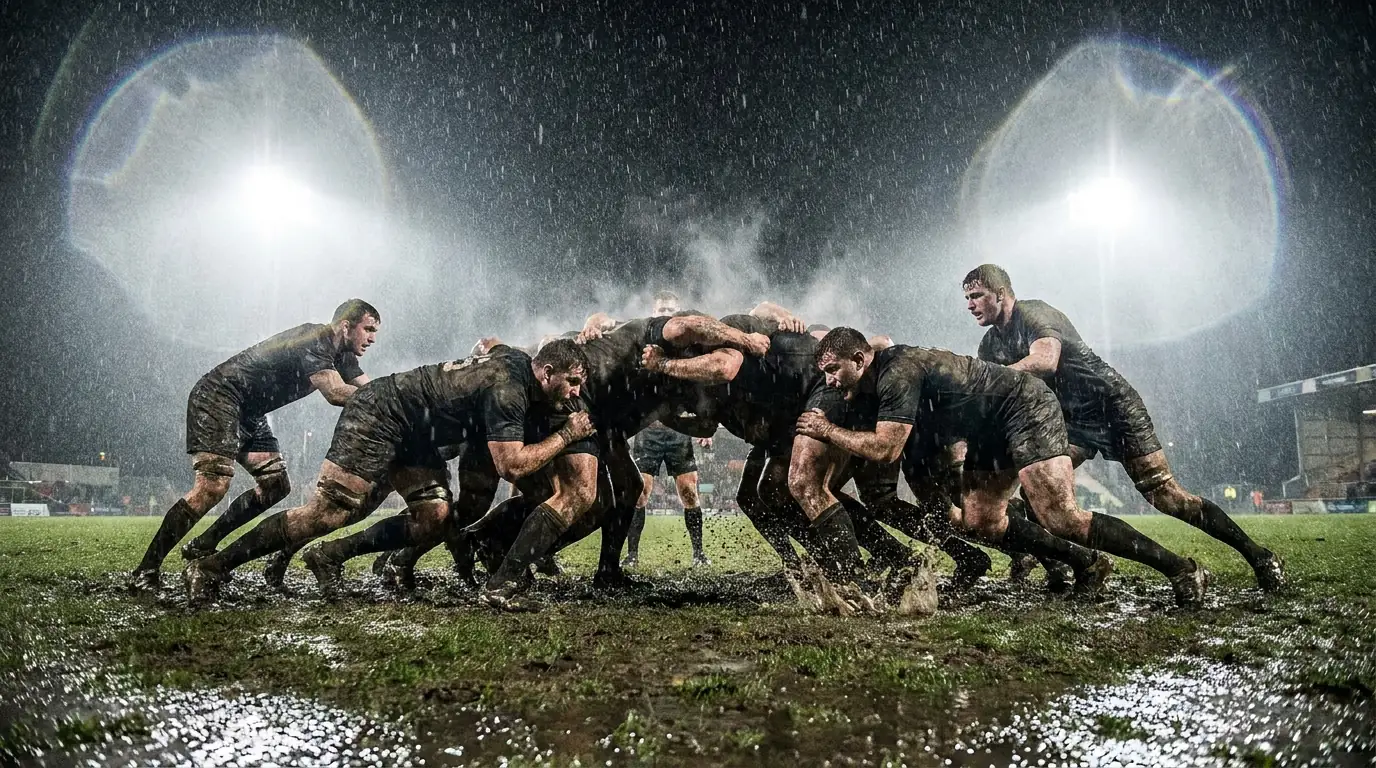
I once watched a Six Nations match in Dublin where the pre-match over/under was set at 44.5 points. Then it rained. Not a light shower — a sideways, wind-driven downpour that turned the pitch into a mud bath by halftime. The match finished 9-6. Everyone who had backed the over lost, and most of them could have anticipated it by checking a weather forecast 24 hours before kick-off. Rugby world cup weather betting is the single most underexploited edge in the sport, because the market sets its lines days in advance and the weather forecast gets sharper as kick-off approaches.
RWC 2027 will be played across eight stadiums in seven Australian cities, from 1 October to 13 November 2027 — 52 matches in total. Australian spring weather varies enormously by geography: Brisbane and Townsville are subtropical, Sydney is temperate, Melbourne is famously unpredictable, and Perth tends toward dry and warm. That climatic diversity means weather will affect different matches in different ways, creating a rolling series of adjustments that most bettors ignore entirely.
How Weather Changes the Scoring Equation
The relationship between weather and scoring in rugby is direct and measurable. RWC 2023 produced 325 tries in 48 matches, but that average masks significant variance driven by conditions. Matches played in dry, calm weather produced more tries and higher total points. Matches played in rain or strong wind produced fewer tries, more penalty goals, and lower totals.
Rain affects handling. In wet conditions, the ball is harder to pass cleanly, knock-ons increase, and teams default to a kicking game to avoid risky phase play. The try-scoring rate drops, and the proportion of points scored from penalties rises. For the over/under market, rain pushes the likely total downward by 8-15 points depending on intensity. For the handicap market, rain compresses margins — a team expected to win by 25 on a dry track might only win by 12 in the wet, because both sides make more handling errors and scoring opportunities dry up.
Wind is the more subtle disruptor. Strong crosswinds affect goal-kicking accuracy, which matters in tight matches where the penalty count is decisive. A reliable goal-kicker who converts at 85% in calm conditions might drop to 70% in a gusting crosswind, reducing the total points expectation and shifting the first-scoring-method probability toward tries (scored close to the posts, where wind is less of a factor) rather than penalty goals from distance.

Australian Venues and Their Climate Profiles
Each RWC 2027 venue has a distinct weather profile that bettors should understand before the tournament begins.
Stadium Australia in Sydney is an open-air venue where October and November bring mild temperatures (18-24 degrees) with occasional rain. It is the most neutral of the Australian venues for weather impact. Melbourne Rectangular Stadium, however, has a retractable roof. If the roof is closed — a decision made by the stadium management, not the teams — weather becomes irrelevant and the match plays on a fast, dry surface regardless of conditions outside.
 That roof decision can shift the over/under line significantly, and it is not always confirmed until match day.
Brisbane’s Suncorp Stadium and Townsville’s Queensland Country Bank Stadium sit in subtropical zones where October temperatures regularly exceed 25 degrees with high humidity. Heat and humidity affect player fatigue, which in turn affects scoring patterns in the second half — tired teams make more errors, concede more penalties, and score fewer tries from structured play. The total points market in Brisbane and Townsville matches should account for a second-half scoring dip that cooler-weather venues do not produce.
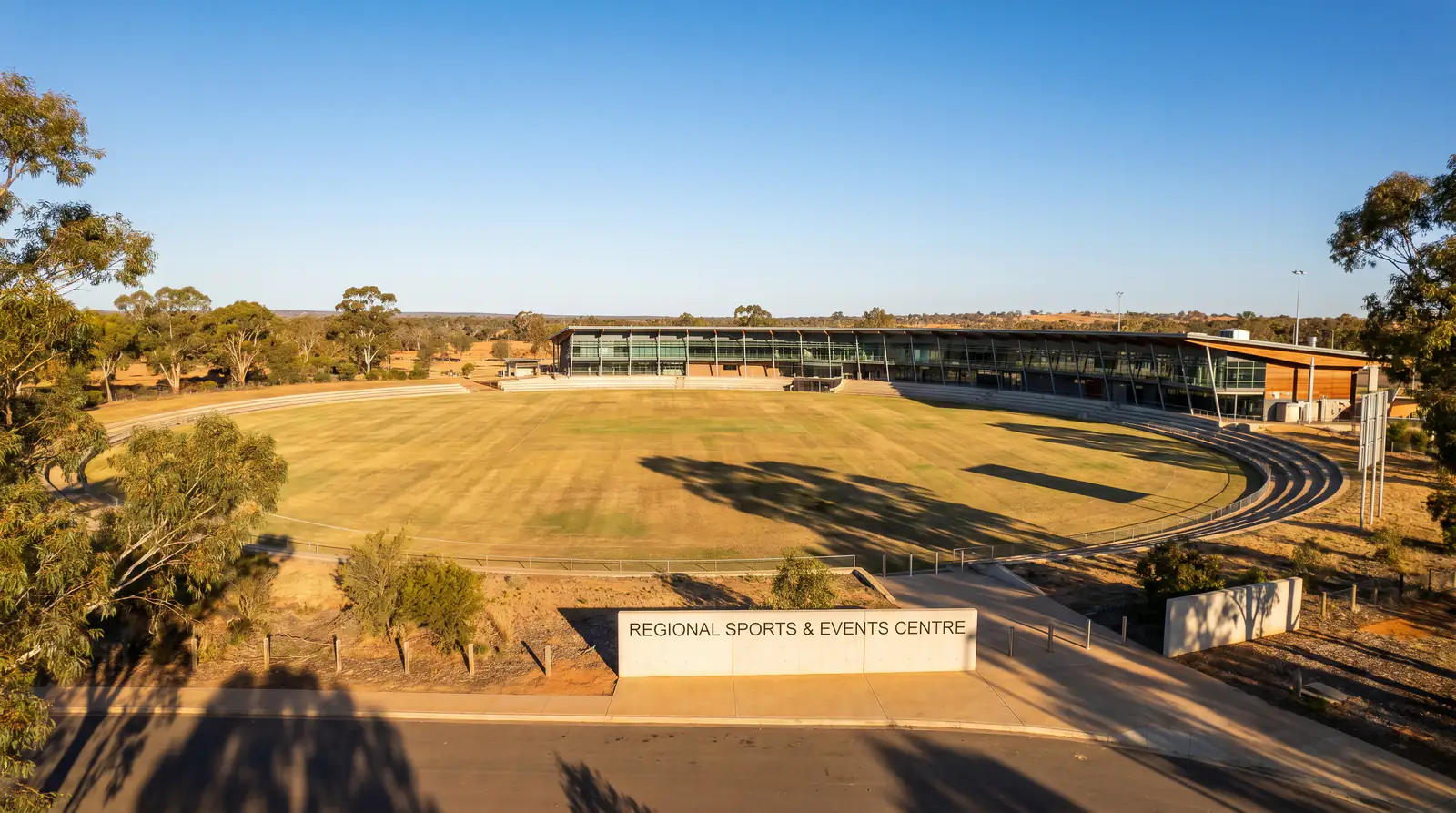
Perth Stadium offers the driest conditions of any venue, with negligible October rainfall and warm temperatures. Dry, fast pitches suit expansive, running rugby, which is good for the over and for try-scorer markets. If a mismatch is scheduled in Perth, expect the highest-scoring pool fixtures of the tournament to come from that city.
Integrating Weather Into Your Pre-Bet Process
Checking the weather forecast should be as automatic as checking the team news. I look at two windows: 48 hours before kick-off (when the forecast is reliable enough for strategic positioning) and 4-6 hours before kick-off (when the forecast is granular enough to confirm wind speed, precipitation probability, and temperature).
The 48-hour window is when I make my pre-match decisions on over/under and handicap. If the forecast shows rain for a Saturday afternoon match, I shift my total-points expectation downward and look for value on the under. If the forecast shows dry, calm conditions for a mismatch in Perth, I take the over and the favourite’s handicap with greater confidence.
The 4-6 hour window is for in-play preparation. If conditions deteriorate unexpectedly — a rain front arriving earlier than forecast, for instance — the in-play odds will adjust, but the adjustment often lags the actual impact on the pitch. Being first to recognise a weather-driven scoring compression gives you a window of a few minutes to take a live position on the under before the market catches up.

One practical tool I recommend: bookmark the Bureau of Meteorology forecasts for each RWC 2027 host city. The Australian weather service provides hourly breakdowns of precipitation probability, wind speed, and temperature. Cross-reference the kick-off time with the hourly forecast, and you will have a granular picture of conditions that most bettors never bother to check. For a broader view of how Australian conditions interact with the host-nation dynamic, the host advantage analysis covers the venue-by-venue context.

How does wet weather typically affect Rugby World Cup match totals?
Rain reduces total points by approximately 8-15 points compared to dry conditions, depending on the intensity and duration of rainfall. Handling errors increase, teams default to kicking for territory, and try-scoring opportunities diminish. The over/under line on a match expected to produce 48 points in dry weather might realistically produce 35-40 in persistent rain. Penalty goals become a higher proportion of the total scoring, and the first scoring method probability shifts away from tries toward kicks.
Do covered stadiums at RWC 2027 give an advantage in specific betting markets?
Melbourne Rectangular Stadium has a retractable roof that, when closed, eliminates weather as a variable. Matches played under the roof tend to produce faster, higher-scoring rugby on a dry, consistent surface, which benefits the over-total market and try-scorer props. The roof decision is typically confirmed on match day, and the market adjusts once the decision is announced. If you can position yourself before the confirmation, you gain a timing edge on the over/under line.
