
 Available in US
Content
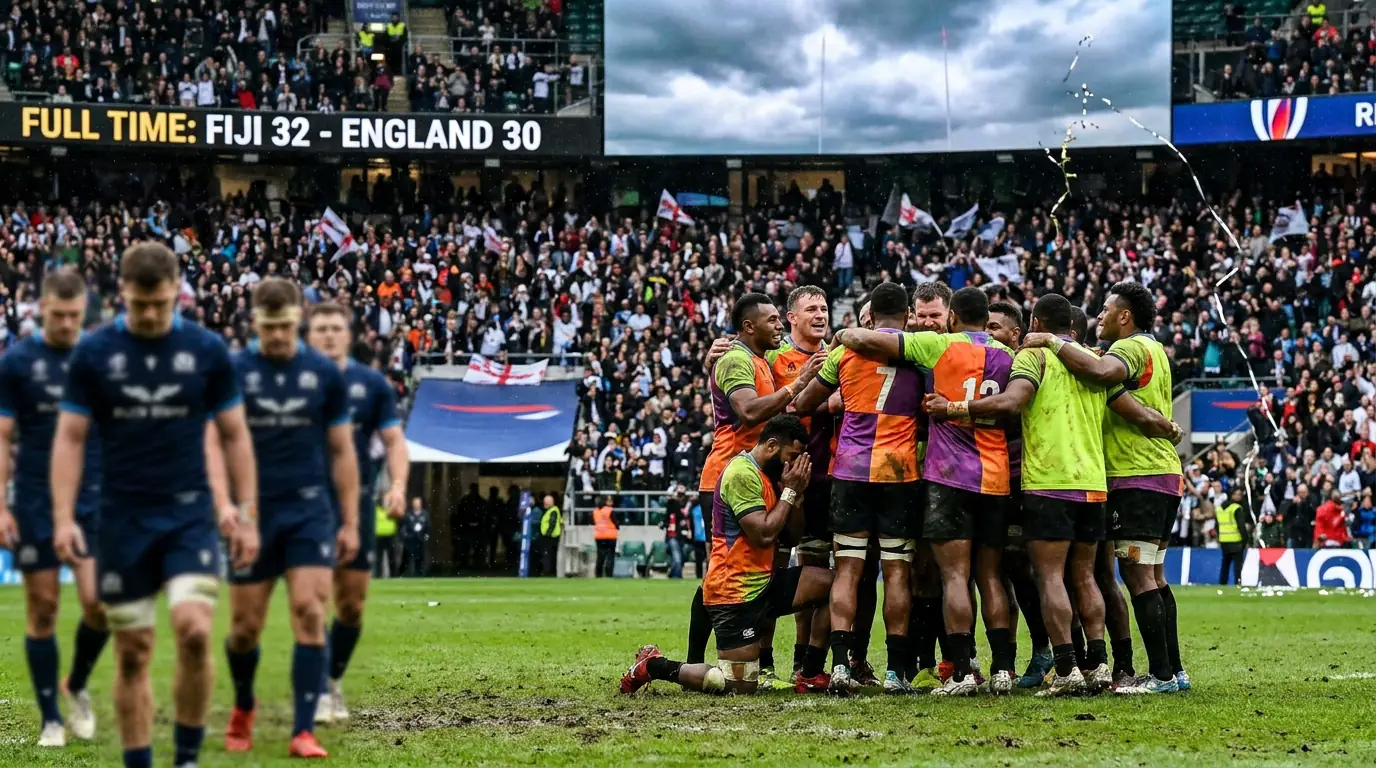
September 2015, Brighton. Japan 34, South Africa 32. I had Japan at +24.5 on the handicap. That bet landed with room to spare — not because I predicted the outright upset, but because I believed the spread was too wide for a Japanese side that had been quietly building toward that exact moment. Rugby world cup value bets underdogs are not about backing longshots for the thrill. They are about identifying specific situations where the market overestimates the gap between two teams and the odds do not reflect the true probability of an outcome.
Value, in betting terms, exists when the implied probability of an outcome — derived from the odds — is lower than the true probability you assign after analysis. The global rugby betting market is worth approximately $8.26 billion, accounting for around 5% of the worldwide sports wagering industry. Within that market, the outright and match-result prices on underdogs are set by operators who anchor heavily on rankings and recent results. When an underdog’s true capability diverges from those anchors, the price gap is where your edge lives.
How to Spot Value That Others Miss
The first step is discarding the word “upset” from your vocabulary. Upsets are emotional descriptions applied after the fact. Before the match, there is only probability — and probability does not care about narratives.

My value-identification process starts with a comparison of two numbers: the implied probability from the bookmaker’s odds and my own estimated probability based on a simple model. If a team is priced at 8/1 to win a match, the implied probability is approximately 11%. If my model — which weights World Rugby ranking, recent head-to-head record, home/away adjustment, and squad availability — assigns them a 18% chance, the difference between 11% and 18% is the value. The bet is positive expected value regardless of whether the team actually wins, because over a large enough sample of similar bets, the returns will exceed the outlay.
The most common source of underdog value at a World Cup is patriotic bias in the market. UK bettors overwhelmingly back England, Irish bettors back Ireland, and French bettors back France. This public money pushes the favourite’s odds shorter and, by extension, pushes the underdog’s odds longer than they should be. The effect is strongest in matches involving a “home” nation for the dominant betting market — which at RWC 2027 means matches involving Australia, given the host-nation bias in the local market.

Historical Upsets That Rewarded Analytical Bettors
RWC 2027 will feature 24 teams for the first time, with 52 matches across eight Australian stadiums. Alan Gilpin, World Rugby’s Chief Executive, framed the expansion as a way to raise standards and close competitive gaps — which, from a betting perspective, means more teams capable of springing a result against higher-ranked opposition.
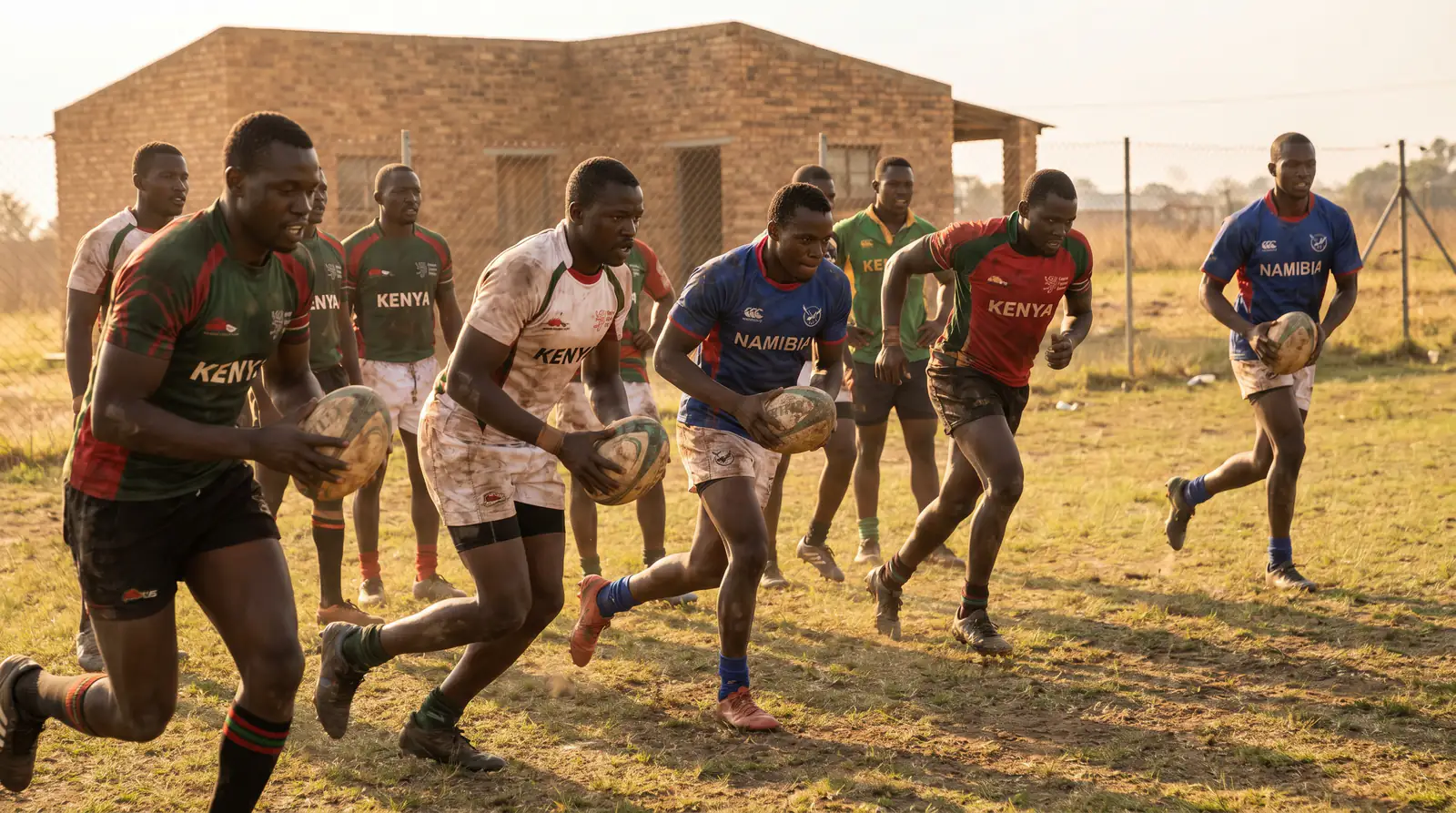
Japan in 2015 is the most famous example, but the history of RWC upsets runs deeper. Argentina reached the semi-finals in 2007 as genuine outsiders, beating France (the hosts) and Ireland along the way. Fiji reached the quarter-finals in 2007 with a pool-stage win over Wales and again in 2023 by topping their group. Tonga pushed France to a four-point margin in 2011. These were not random events; they were the product of specific matchup advantages — Fiji’s attacking flair on fast tracks, Argentina’s scrum dominance against underprepared packs, Japan’s fitness and pace against a complacent South Africa.

With 24 teams, the frequency of competitive mismatches will increase, but so will the frequency of genuine upsets. The newly qualified nations bring unknown quantities that the market will struggle to price accurately, and the Round of 16 creates an extra knockout match where a lower-seeded team could catch a higher-ranked opponent on a bad day. For a broader view of who the market considers genuine contenders, the favourites analysis provides the other side of this coin.
Practical Strategies for Backing the Outsider
Backing underdogs at a World Cup is not about slapping money on the longest price available. It is about choosing the right market, the right match, and the right timing.
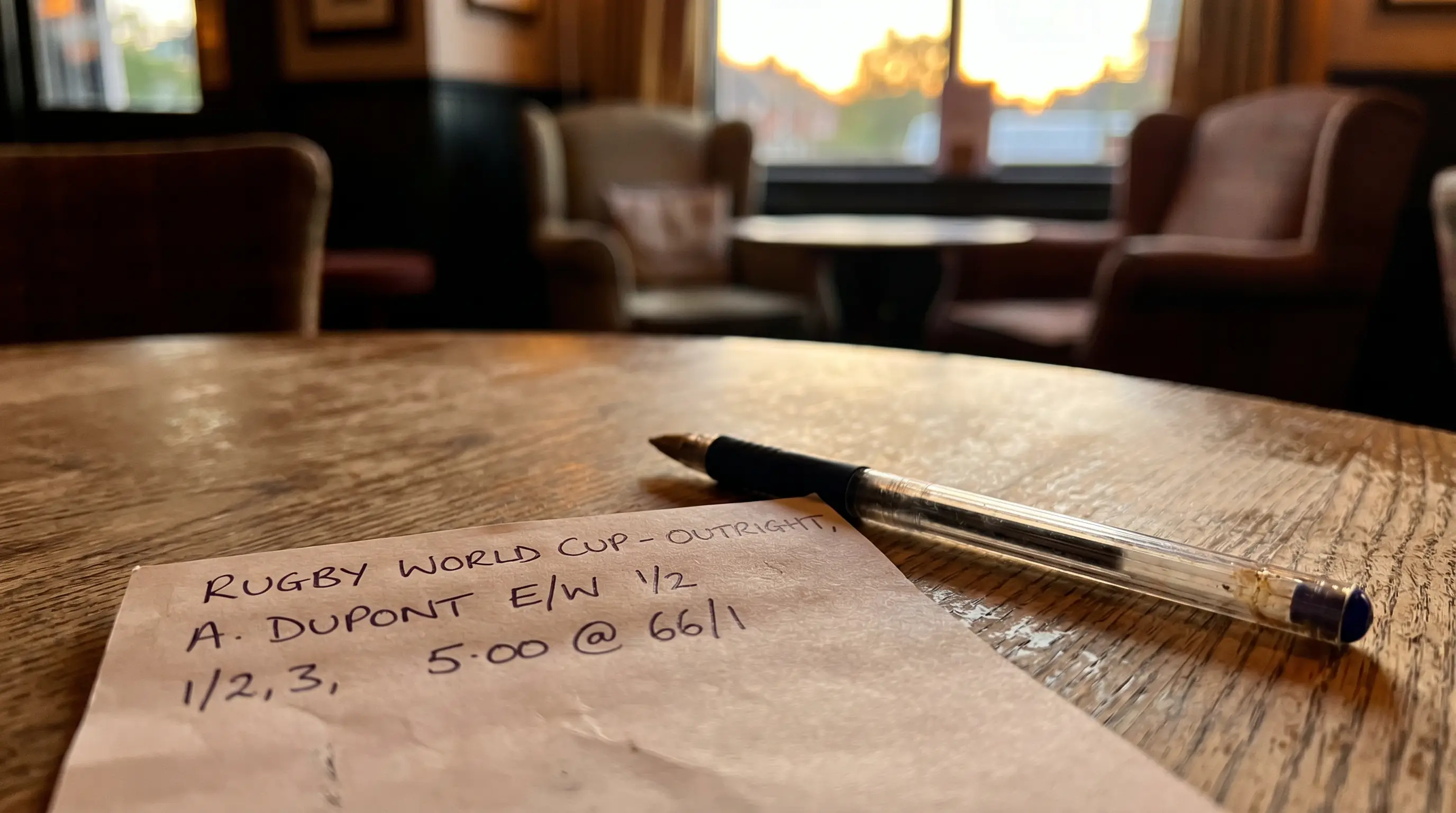
Each-way outright is the cleanest underdog play. A team priced at 33/1 or longer with each-way terms of one-quarter the odds for a top-four finish pays out if they reach the semi-finals — a far more achievable threshold than winning the tournament. Fiji, Argentina, Scotland, and Japan are the types of teams where each-way outright positions make structural sense at RWC 2027.
Match handicap with a positive spread is the pool-stage workhorse. If a lower-ranked team is receiving +20.5 points against a Tier 1 opponent, you do not need them to win — you need them to keep the margin below 21. That is a realistic ask for a competitive Tier 2 side on a good day, and the odds on the underdog handicap are typically 10/11 or better.
Timing matters for both markets. Outright each-way prices are longest before the pool draw, when the pathway to the semi-finals is uncertain. Once the draw is made, a team landing in a favourable pool sees their odds shorten. Match handicaps tighten in the 48 hours before kick-off as late money arrives. I place my underdog outright bets before the draw and my match handicap bets 48-72 hours before the fixture, when the line has stabilised but the late-money adjustment has not yet kicked in.
What is the biggest upset in Rugby World Cup history?
Japan’s 34-32 victory over South Africa at the 2015 World Cup in Brighton is widely considered the greatest upset in tournament history. South Africa were two-time champions and heavy favourites; Japan had won only one World Cup match in their entire history prior to that tournament. The result sent shockwaves through the betting market and demonstrated that ranking and reputation do not guarantee outcomes at a World Cup.
Are underdog bets better placed before or during the tournament?
It depends on the market. Outright each-way bets on underdogs are best placed before the pool draw or before the tournament starts, when the odds are longest and the pathway to the semi-finals is uncertain. Match-specific underdog bets — handicap or match result — are best placed 48-72 hours before kick-off, after team news is confirmed but before late public money shortens the favourite and drifts the underdog. In-play underdog bets can offer value if the match state shifts in the underdog’s favour and the live odds lag the adjustment.
