
 Available in US
Content
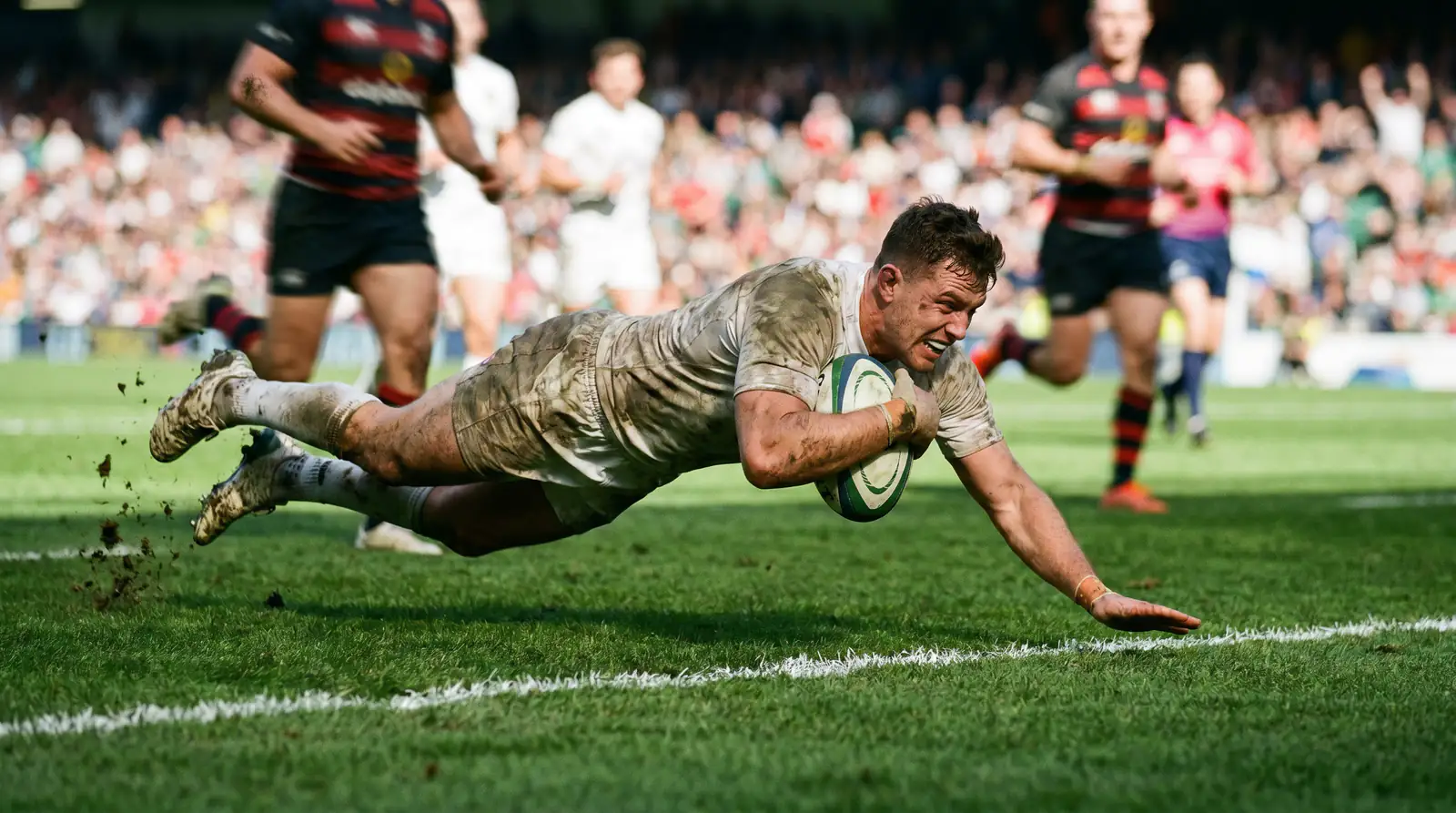
I have a notebook with every Rugby World Cup first try scorer result dating back to 2007. Not because I am sentimental about old bet slips, but because the data reveals patterns the casual punter never sees. Wings score the first try roughly 35% of the time. Forwards — through lineout mauls and short-range drives — account for nearly 30%. And the remaining third is split between centres, full-backs, and the occasional scrum-half darting from a ruck. That distribution has held remarkably steady across four tournaments and nearly 200 matches.
Rugby world cup first try scorer odds are among the most popular prop markets at any tournament, and RWC 2023 proved why. Across 48 matches that produced 325 tries, the first try scorer market was active in every single fixture. The opening try carries a particular fascination because it combines genuine analytical opportunity with the raw excitement of predicting who will cross the line first.
How the First Try Scorer Market Works
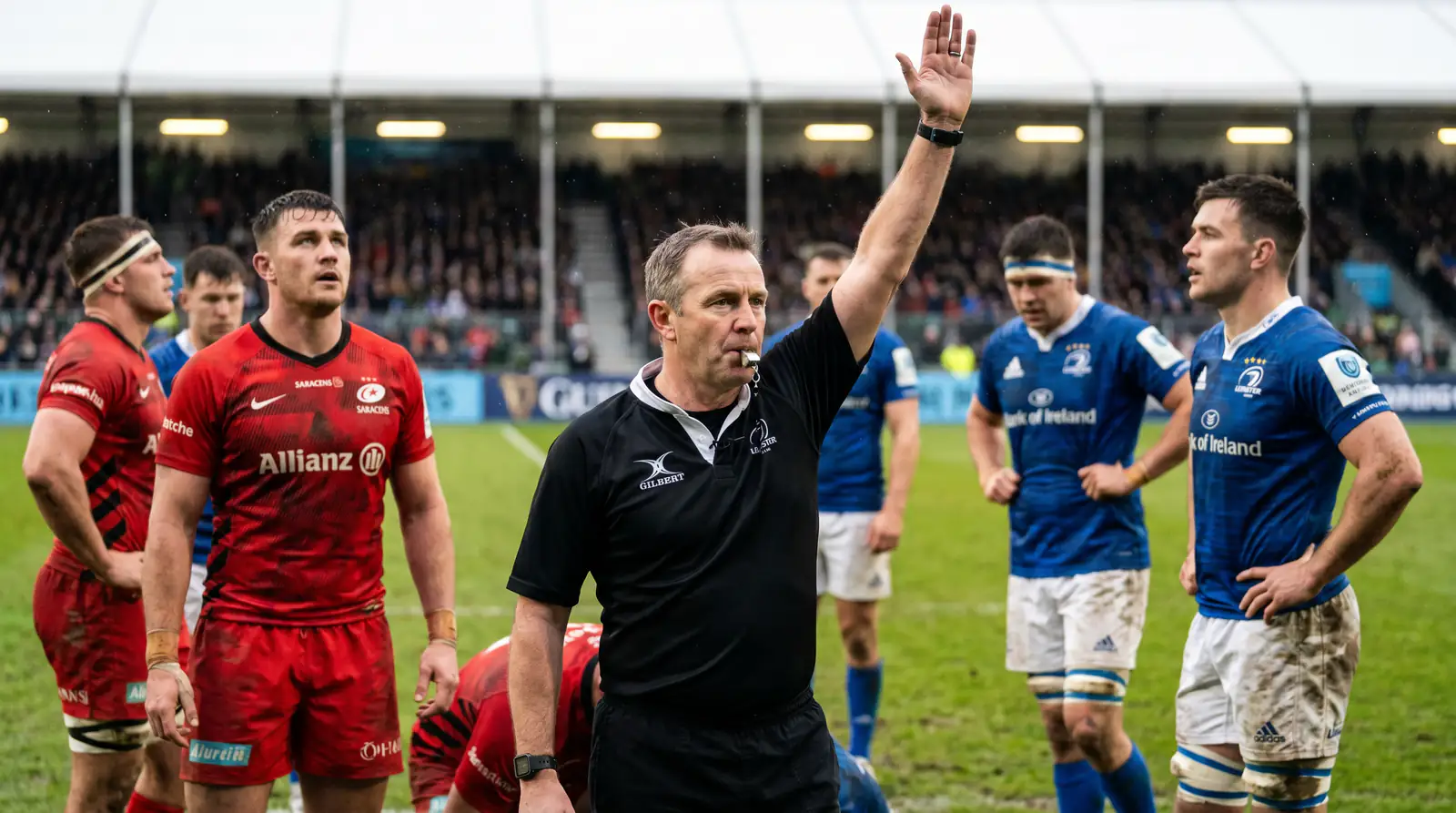
The rules are simple on the surface but contain details that catch people out. Your selected player must score the first try of the match — confirmed by the referee or the TMO. Penalty tries do not count as a named scorer. If your player does not take the field, most operators void the bet and return your stake. If your player starts but is substituted or injured before a try is scored, the bet stands and loses if someone else crosses first.
The “no try scorer” option — betting that the match finishes without a single try — is technically available but practically worthless at a World Cup. Tryless matches in rugby union are vanishingly rare. At RWC 2023, every match produced at least one try, and the same was true at RWC 2019 and 2015. Unless weather conditions are truly extreme, the no try scorer option is a wasted ticket at a World Cup.
Odds for the first try scorer market typically range from 5/1 for the most likely candidates (wingers on the dominant team) to 50/1 or longer for props and hookers. The bookmaker’s margin on this market is higher than on match result or handicap because the outcome is inherently more variable, which means the prices are less efficient — and that is exactly where patient analysis creates an edge.

An Analysis Framework for FTS Selections
Picking a first try scorer is not guesswork, and it is not about backing the biggest name in the squad. It is about understanding how tries are scored in the opening ten to fifteen minutes of a rugby match and identifying which player is most likely to be the finisher.
The growth in betting turnover across the Premiership, URC, and Six Nations — up 30%, 57%, and 50% respectively during the 2022/23 season — has made player-level data more accessible than ever. For FTS analysis, I focus on three variables: position proximity (how close the player operates to the try line during attacking phases), set-piece involvement (lineout maul tries favour hookers and back-row forwards), and early-game attacking patterns (some teams consistently target the wide channels in the first quarter, others go through the pack).
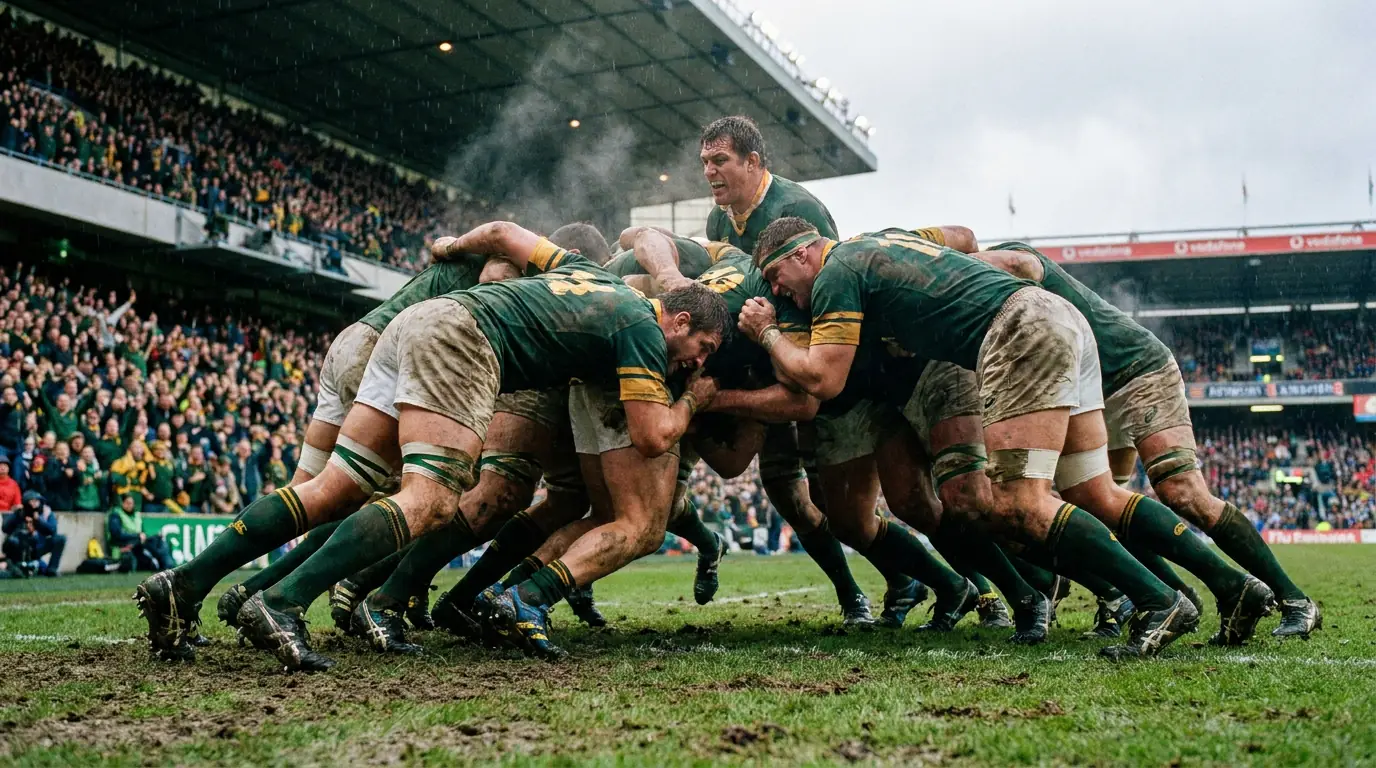
At RWC 2027, the six pools of four will produce at least 12 matches where a Tier 1 side faces a significantly weaker opponent. In those mismatches, the first try often comes from a lineout maul driven over from five metres — which means the hooker or the number eight is the finisher, not the winger. I have tracked this across the last three World Cups and the maul try accounts for roughly 25% of first tries in mismatch pool games. At odds of 14/1 or better for a hooker to score first, the expected value is positive over a large enough sample.
In tighter matches between evenly ranked sides, the first try profile changes. Teams probe for weaknesses, and the opening try frequently comes from a turnover or a counter-attack — scenarios that favour full-backs and outside centres. The fly-half rarely scores the first try but often creates it, which is why the top points scorer market suits the playmaker profile better than the FTS market.
First Try Scorer vs Anytime — When to Pick Which
The anytime try scorer market asks whether a player will score at any point during the match, not just first. The odds are significantly shorter — typically one-quarter of the FTS price — because the qualifying window is the full 80 minutes rather than the narrow opening period.
My rule of thumb: take FTS when I have a strong view on the opening phases of the match and the likely source of the first try. Take anytime when I rate a player as a probable scorer but cannot pinpoint the timing. FTS pays roughly four times more than anytime for the same player, but the strike rate is correspondingly lower. Over a six-week tournament with 52 matches, I allocate about 30% of my prop budget to FTS and 70% to anytime. The FTS bets are high-variance plays designed to produce a few big wins that offset the more frequent losses, while the anytime bets provide a steadier return stream.
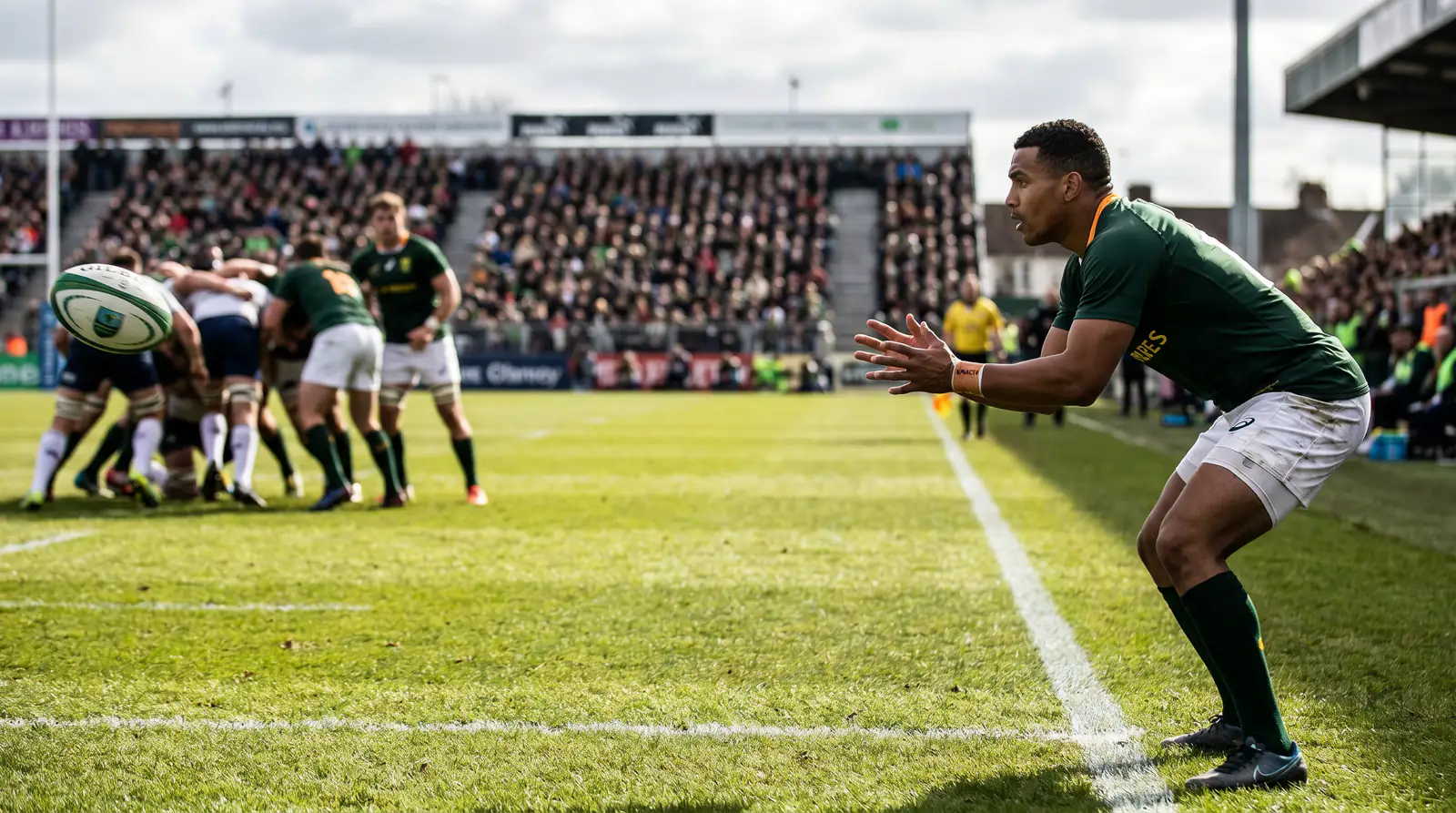
One specific edge at RWC 2027: watch the team news announcements 48 hours before kick-off. When a coach names an unexpected starter on the wing or at full-back, the FTS odds on that player may lag the adjustment because the market takes time to reprice a lesser-known option. I have landed three FTS bets at inflated odds over the past two tournaments by acting within the first hour of team announcement. Speed of reaction, in this market, is its own form of analysis.

What happens to a first try scorer bet if the player is substituted before scoring?
If your selected player takes the field at kick-off or enters as a substitute and is then removed before any try is scored, the bet stands and loses if another player scores the first try. Most operators only void the bet if the player does not take the field at all. The key distinction is between non-participation, which triggers a void and stake return, and participation followed by early exit, which counts as a losing bet.
Are forwards or backs better first try scorer picks at the Rugby World Cup?
It depends on the match type. In lopsided pool matches where the dominant team drives lineout mauls close to the try line, forwards — particularly hookers and number eights — account for roughly 25% of first tries and often carry longer odds than backs. In balanced matches between Tier 1 sides, wings and full-backs are more likely first scorers because tries come from wider attacking plays and counter-attacks. Matching your pick to the expected match profile is more important than a blanket forwards-or-backs preference.
