
 Available in US
Content
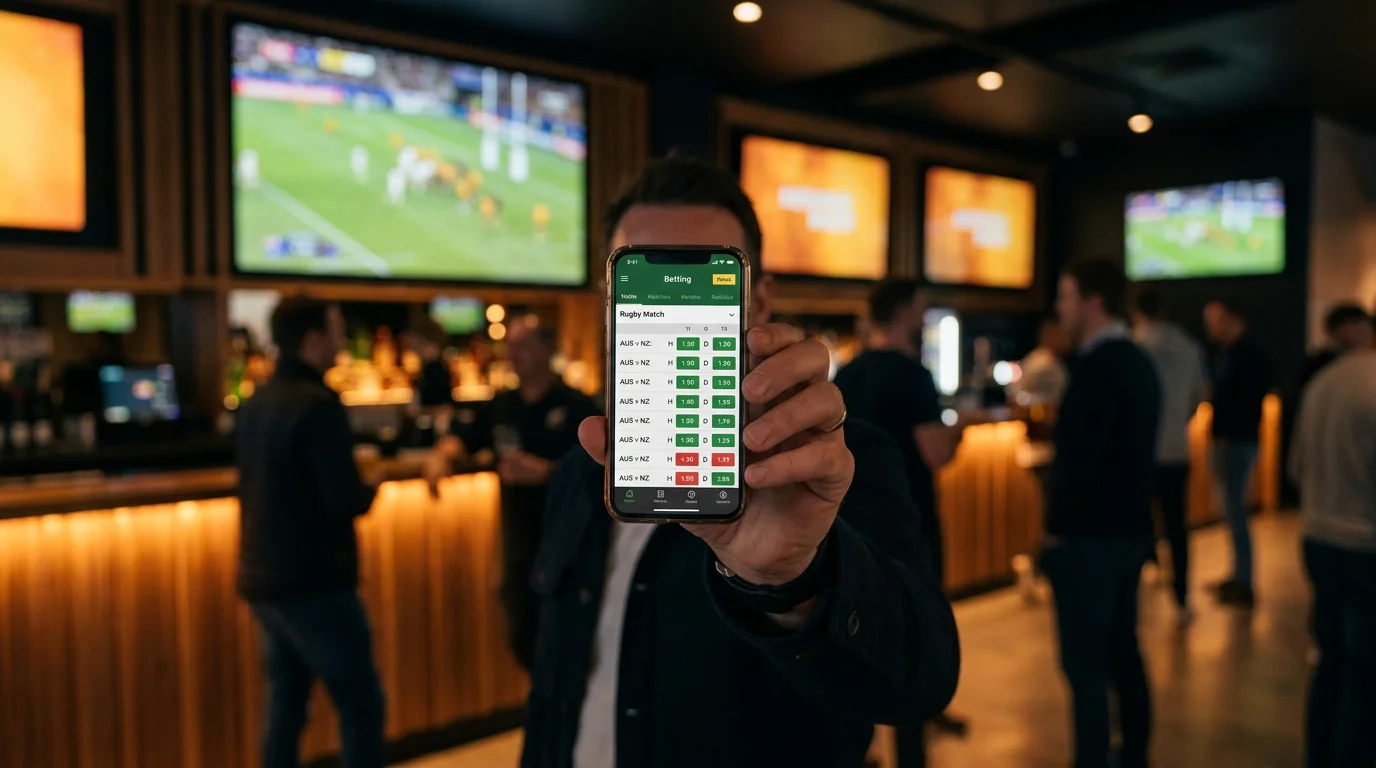
During RWC 2023, I tracked the match-result odds on every pool-stage fixture across five UK-licensed operators. The difference on the same outcome ranged from 0.05 to 0.15 in decimal terms. On a single GBP20 bet, that is negligible. Across 48 matches with two or three bets per fixture, the cumulative difference exceeded GBP80. Over a full six-week tournament, finding the best odds rugby world cup offers is not a nice-to-have — it is a structural edge that compounds with every bet you place.
The online segment accounts for 78.47% of UK sports betting revenue, which means the vast majority of World Cup wagers are placed digitally. That digital infrastructure makes price comparison trivially easy — you can check five operators in 30 seconds — yet most punters bet with a single operator out of habit or convenience. That laziness is your competitors’ loss and your gain.
Why Prices Differ Between Operators
The UK market includes 5,825 betting premises and a larger number of online operators, though consolidation is shrinking both figures year on year. Despite this consolidation, prices on the same rugby match differ between operators for three structural reasons.
First, each operator sets their own overround — the margin built into the odds that guarantees profit. An operator with a 5% overround on a rugby match offers sharper prices than one with an 8% overround. The overround varies by sport, by market type, and by the operator’s strategic positioning: some operators price rugby aggressively to attract volume, while others maintain wider margins because their rugby customer base is small and not price-sensitive.

Second, liability management creates divergence. If one operator has taken a large bet on New Zealand to beat England, they may shorten New Zealand’s price and lengthen England’s to balance their book. Another operator who has not taken that same bet will have different exposure and therefore different prices. The bigger the match, the more liability-driven the price movements become, which is why World Cup fixtures — particularly knockout matches — often show wider inter-operator price differences than regular-season tests.
Third, promotional pricing distorts the market. During a World Cup, operators run enhanced-odds promotions, price boosts, and money-back specials designed to attract new customers. These promotions create temporary pricing anomalies that you can exploit if you are checking multiple sites. A boosted price on a favourite in a pool-stage match might offer value that disappears within hours once the promotion expires or the allocation is filled.

Methods for Comparing Effectively
Odds aggregators are the most efficient comparison tool. These platforms display the current price from multiple operators side by side, highlighting the best available odds for each outcome. They update in near-real time, which matters for in-play markets where prices shift by the second.
The aggregator does not show everything. Some operators restrict certain markets from appearing on comparison sites, and promotional prices are sometimes excluded from the feed. I use the aggregator as my starting point
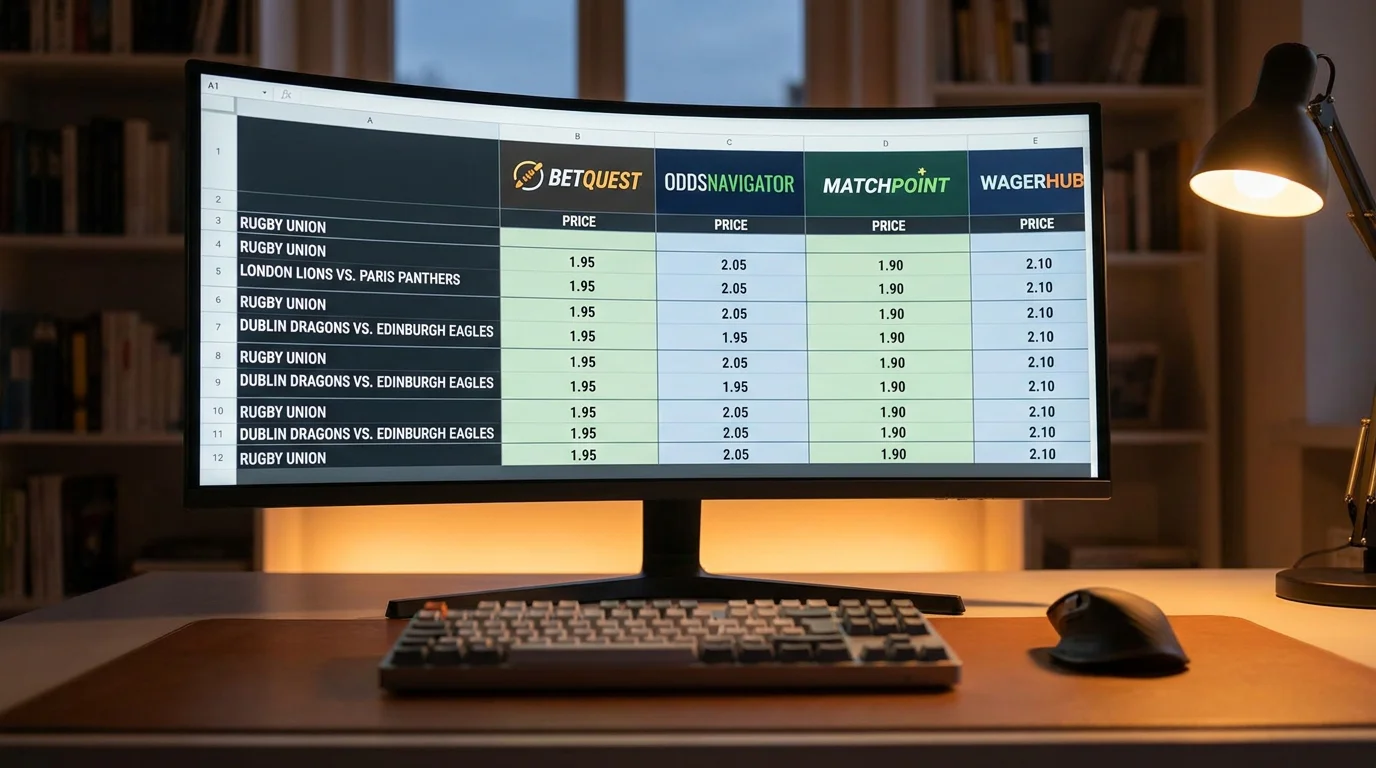 and then manually check two or three operators for any discrepancies — particularly for handicap and over/under markets, where the aggregator coverage tends to be thinner than for match result.
Best price guarantee is a feature offered by a few operators that automatically matches the highest available price from a defined panel of competitors. If you bet with an operator offering this guarantee, you get the best price without needing to check every site manually. The guarantee typically applies to pre-match singles on main markets and may not cover in-play, accumulators, or props. It is a convenience feature rather than a universal solution, but for main-market singles during the World Cup, it removes the comparison step entirely.

Maintaining accounts with three to five UK-licensed operators gives you practical access to the best price on most markets without the complexity of managing a dozen logins. For the full picture on how comparing odds fits into a broader financial strategy, the bankroll management guide covers how to allocate across platforms.
The Real Impact on Your Tournament Returns
Let me put concrete numbers on the table. Suppose you place 50 bets across the RWC 2027 pool stage, each at GBP20, with an average decimal odds of 1.90. At uniform prices, your total outlay is GBP1,000 and your theoretical return (assuming a 50% strike rate) is GBP950 — a net loss of GBP50 to the overround.
Now suppose you line-shop and consistently find odds of 1.95 instead of 1.90 — a difference of 0.05 per bet. Your theoretical return on the same 25 winning bets rises from GBP950 to GBP975, cutting your net loss from GBP50 to GBP25. Over the full 52-match tournament, where your total bet count might reach 80-100, the cumulative gain from consistent line-shopping can exceed GBP100. That is not profit from analytical skill — it is profit from process discipline.

The effect is most pronounced on markets where operator pricing varies the most. Handicap markets and over/under totals typically show wider inter-operator variance than match result, because these lines require more subjective judgment from the operator’s trading desk. I focus my line-shopping effort on handicap and totals rather than match result, because the same amount of comparison time yields a larger per-bet improvement.
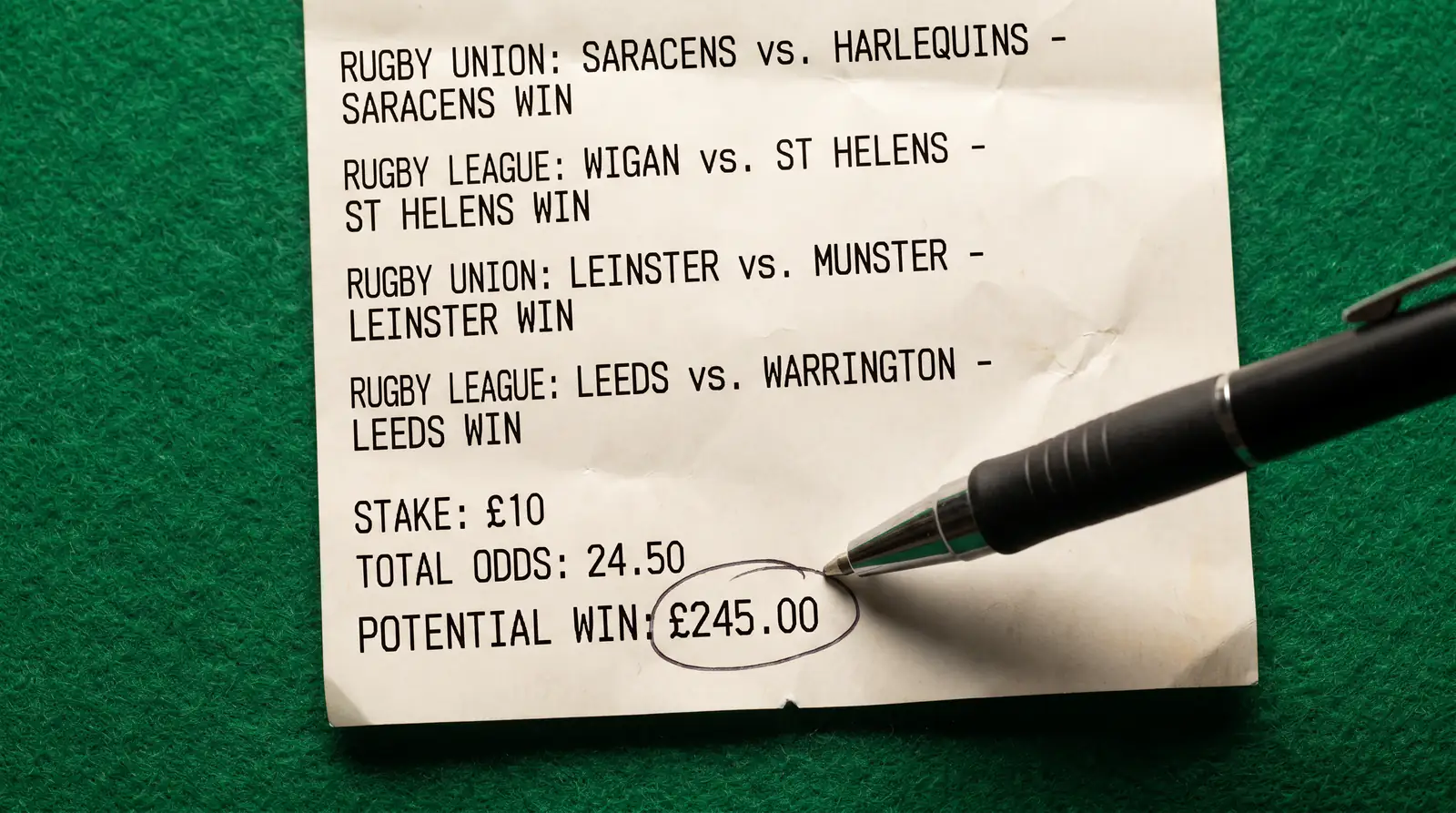
The compounding effect is even more pronounced on accumulators, where the odds multiplication amplifies the per-leg price difference. A four-fold where each leg is 0.05 higher in decimal odds delivers a combined improvement that is materially larger than the sum of the individual differences. Line-shopping on accumulator legs is more time-consuming but more rewarding per unit of effort than line-shopping on singles.
Is it worth having accounts with multiple bookmakers for RWC betting?
Yes. Maintaining three to five accounts with UK-licensed operators is the most effective way to ensure you consistently access the best available price on rugby markets. The price difference on the same outcome across operators typically ranges from 0.05 to 0.15 in decimal terms, and over a six-week tournament with dozens of bets, the cumulative impact on your returns is significant. Multiple accounts also give you access to different promotional offers and enhanced-odds events during the World Cup.
Do odds aggregators show all UK-licensed bookmakers’ rugby prices?
No. Aggregator coverage varies by platform, and some operators opt out of having their prices displayed. Promotional and enhanced-odds prices are often excluded from the feed. Aggregators are an efficient starting point for comparison, but they should not be your only source. Manually checking two or three additional operators, particularly for handicap and over/under markets, can reveal prices that the aggregator does not display.
